






Suboxone, a combination medication containing buprenorphine and naloxone, is a widely used treatment for opioid use disorder (OUD). While it can be an effective tool in helping individuals overcome opioid addiction, the process of getting off Suboxone can be challenging. This article will provide an in-depth look at Suboxone, its role in treating OUD, and the steps involved in safely weaning off the medication.
Understanding Suboxone
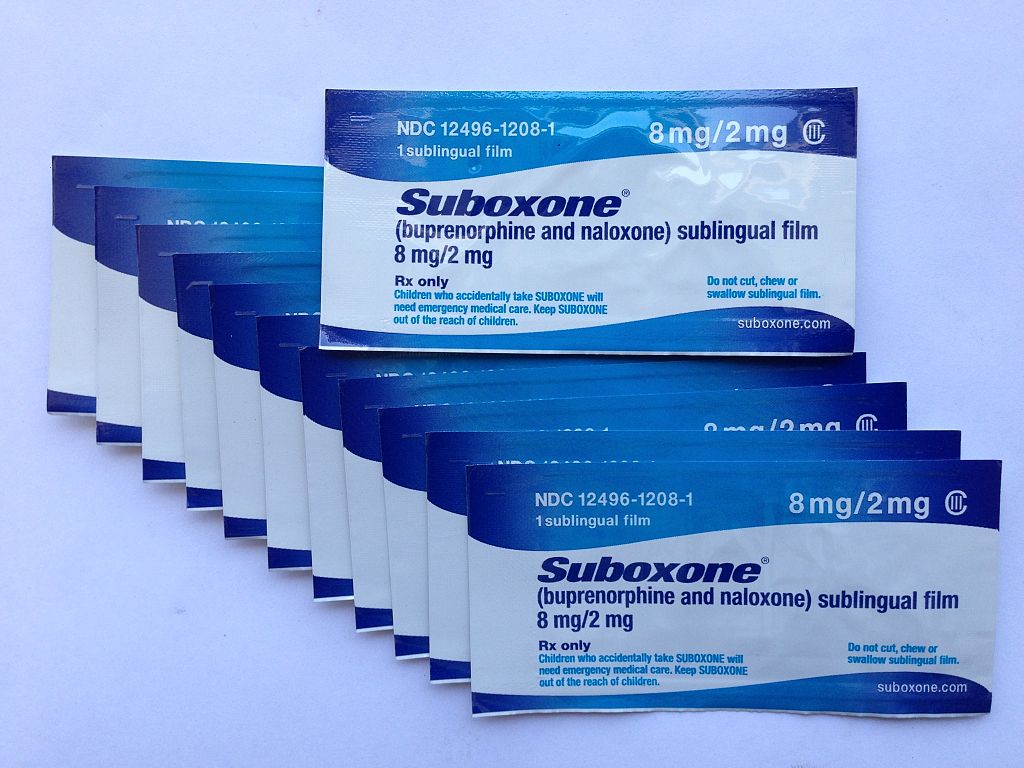
Suboxone is a sublingual film or tablet that contains two active ingredients: buprenorphine, a partial opioid agonist, and naloxone, an opioid antagonist. Buprenorphine works by binding to the same receptors in the brain as other opioids, such as heroin or prescription painkillers, but with a weaker effect. This helps to reduce cravings and withdrawal symptoms associated with opioid addiction. On the other hand, naloxone deters misuse of the medication by causing withdrawal symptoms if someone injects Suboxone.
Buprenorphine has a “ceiling effect,” meaning that its effects level off at higher doses, reducing the risk of respiratory depression, a common side effect of full opioid agonists. This makes Suboxone a safer option compared to methadone, another medication used to treat OUD.
Using Suboxone to Treat Opioid Use Disorder
Healthcare providers typically prescribe Suboxone as part of a comprehensive treatment plan for individuals struggling with OUD. The medication helps manage withdrawal symptoms and cravings, allowing patients to focus on other aspects of their recovery, such as therapy, counseling, and building a support network.
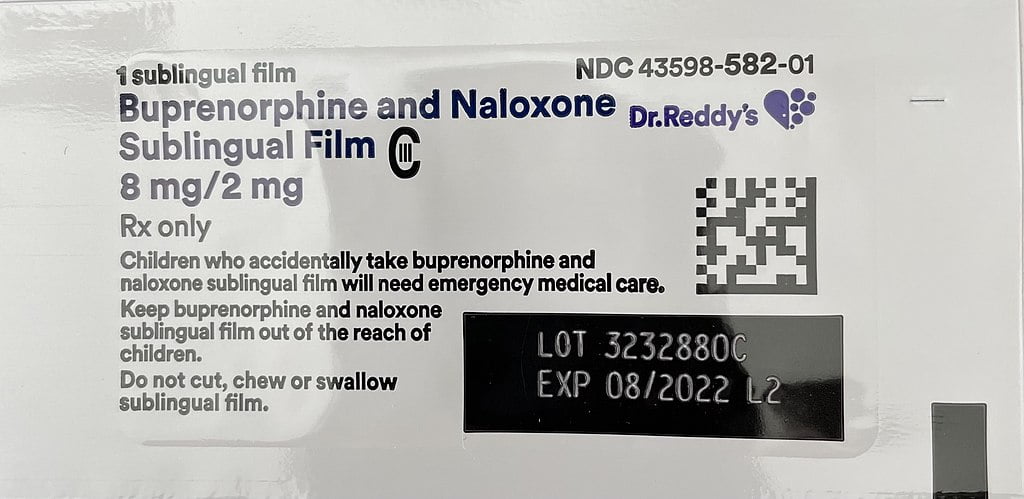
Treatment with Suboxone usually begins after an individual abstains from opioids for 12-24 hours and experiences mild to moderate withdrawal symptoms. A healthcare provider determines the initial dose and may adjust it over time to find the optimal level for each patient.
Suboxone treatment is often divided into three phases:
- Induction: The patient starts taking Suboxone under the supervision of a healthcare provider, who monitors for any adverse reactions and adjusts the dose as needed.
- Stabilization: Once the patient reaches a stable dose of Suboxone and experiences minimal cravings and withdrawal symptoms, they enter the stabilization phase. During this time, the focus shifts to addressing the underlying causes of addiction through therapy and counseling.
- Maintenance: In the maintenance phase, the patient continues taking Suboxone at a stable dose while working on their recovery. The length of this phase varies depending on the individual’s needs and progress.
Weaning Off Suboxone
While Suboxone can be an effective tool in treating OUD, the ultimate goal is for patients to achieve long-term recovery without relying on medication. The process of getting off Suboxone, also known as tapering, should be done under the guidance of a healthcare provider.
Tapering typically involves gradually reducing the dose of Suboxone over an extended period, allowing the body to adjust to lower levels of the medication. The length of the tapering process can vary depending on factors such as the duration of Suboxone use, the starting dose, and the individual’s response to dose reductions.
A common tapering schedule may involve reducing the dose by 10-20% every 1-4 weeks, depending on the patient’s comfort level and withdrawal symptoms. It’s essential to listen to your body during this process and communicate any concerns or challenges with your healthcare provider.
During the tapering process, individuals may experience mild withdrawal symptoms, such as anxiety, insomnia, or gastrointestinal issues. These symptoms can be managed through various strategies, including:
- Staying hydrated and maintaining a balanced diet
- Engaging in regular exercise and stress-reduction techniques
- Seeking support from friends, family, or support groups
- Continuing with therapy or counseling to address the underlying causes of addiction
In some cases, a healthcare provider may recommend transitioning to a longer-acting form of buprenorphine, such as a monthly injection or a six-month implant, to help manage withdrawal symptoms during the tapering process.
Working With Your Doctor
It’s crucial to remember that getting off Suboxone is not the end of the recovery journey. Ongoing support, therapy, and lifestyle changes are essential to maintaining long-term sobriety and preventing relapse. Patients should work with their healthcare provider or treatment center, such as Swift River, to develop a comprehensive aftercare plan that includes relapse prevention strategies, ongoing counseling, and participation in support groups like Narcotics Anonymous (NA) or SMART Recovery.
Additionally, it’s essential to address any co-occurring mental health disorders, such as depression or anxiety, which may have contributed to the development of OUD. Treating these underlying conditions can significantly improve the chances of long-term success in recovery.
Get Help for an Opioid Addiction in Massachusetts Today
If you or someone you know is struggling with opioid addiction and considering getting off Suboxone, contact Swift River at 413-570-9698. Our experienced team of professionals can provide the guidance and support needed to navigate the tapering process and achieve lasting recovery. We offer a comprehensive range of evidence-based treatments, including medication-assisted treatment, individual and group therapy, and holistic approaches to help individuals overcome addiction and build a foundation for a healthier, more fulfilling life.