





If you’ve decided to enter alcohol rehab, congratulations. You’ve just made a choice to make your life better. In Massachusetts, the landscape of alcohol rehabilitation services includes a wide range of care. From hospital-based detox programs to serene residential facilities. Choosing from these options, however, can feel like a lot. But it’s a crucial step in your journey to sobriety.
Remember that recovery is not just about stopping the use of alcohol. It is a healing process for the body. At Swift River, located in the peaceful Berkshire Mountains, the focus is on providing a sanctuary where individuals can escape daily stressors and concentrate entirely on their health. Understanding what to expect during the rehab process can help ease anxiety and empower you to take the first step toward a new life.
Signs You May Need Alcohol Detox and Inpatient Rehab
The first step toward healing is to recognize when your alcohol use has gone beyond recreational use. Alcohol use disorder can develop slowly over time. This makes it difficult for individuals or their families to spot the transition into physical dependency.
Common signs that professional intervention is necessary include:
- Physical withdrawal symptoms, such as tremors, sweating, or nausea.
- Neglecting professional or family responsibilities due to alcohol use.
- Finding it impossible to control the amount of alcohol consumed in one sitting.
- Continuing to use alcohol despite clear physical, mental, or social consequences.
- Increasing amounts of alcohol to achieve the same effects, indicating a growing tolerance.
If you or a loved one is experiencing several of these signs, a medically supervised detox followed by residential treatment is often the safest and most effective course of action. Attempting to quit “cold turkey” at home can be dangerous due to the risk of severe withdrawal complications, including seizures or delirium tremens.

What to Expect During Alcohol Treatment in Massachusetts
When you arrive at a high-quality facility like Swift River, the process begins with a thorough clinical and medical assessment. This initial phase ensures that your treatment plan is tailored to your specific health history, the severity of your addiction, and any co-occurring mental health conditions.
Medical Detoxification and Withdrawal Management
For most individuals, the first stage of alcohol rehab is detoxification. This is the period during which the body clears itself of alcohol. At Swift River, detox is a medically supervised process where clinicians monitor vital signs 24 hours a day to ensure safety and comfort. This makes the process of detoxification much safer in a structured environment. Patients can experience major symptoms and receive the necessary care in real time.
Medical professionals may utilize FDA-approved medications to manage withdrawal symptoms and reduce cravings. This clinical support is vital, as it allows the brain and body to stabilize without the extreme distress often associated with withdrawal. Detox typically lasts between three and seven days, depending on the individual’s needs.
Residential Treatment and Evidence-Based Therapies
Once stabilized, patients transition into the residential or inpatient phase of care. A typical day in Massachusetts inpatient rehab is highly structured and designed to replace old habits with healthy, recovery-focused routines.
These research-driven plans are all accredited and follow best practice guidelines. Patients or family members should enter Swift River knowing that they’re receiving the best care possible, comparable to anyplace else in the nation.
Treatment plans at Swift River include the following best practices:
- Cognitive Behavioral Therapy (CBT): This helps individuals identify and change the thought patterns that lead to substance use.
- Dialectical Behavior Therapy (DBT): This focus is on emotional regulation, distress tolerance, and improving interpersonal relationships.
- Individual and Group Counseling: These sessions provide a space to process personal challenges and build a community of peers who share similar experiences.
- Family Therapy: Addiction affects the whole family, and involving loved ones in the process can strengthen the support system for life after rehab.
The Continuum of Care and Length of Treatment
Recovery is a marathon, not a sprint. Research from the National Institute on Drug Abuse (NIDA) indicates that the length of time spent in treatment is a significant predictor of long-term success. Most inpatient programs last approximately 30 days, though some individuals benefit from extended stays of 60 to 90 days.
After completing residential treatment, the continuum of care often includes stepping down to less intensive levels of support. This may involve a Partial Hospitalization Program (PHP) or an Intensive Outpatient Program (IOP), where individuals spend several hours a day in therapy while beginning to reintegrate into their daily lives. This gradual transition helps prevent relapse by providing ongoing accountability and support.
Insurance Coverage and Costs for Rehab in Massachusetts
The cost of alcohol rehab is a common concern, but many options are available to make treatment accessible. Under the Mental Health Parity and Addiction Equity Act, most commercial insurance plans are required to provide coverage for substance use treatment that is comparable to medical and surgical coverage.
Swift River accepts most major insurance plans. To understand your specific benefits, you can utilize a confidential insurance verification form to learn more about your coverage levels. Additionally, Massachusetts offers resources through MassHealth for residents who may qualify for state-funded healthcare assistance.
Our Location: Why Choose the Berkshires for Recovery
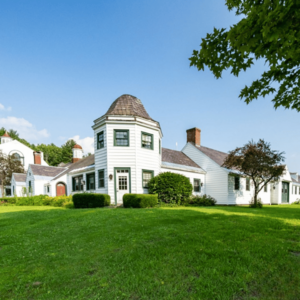
Swift River is located at 151 South Street in Cummington, Massachusetts. While some may look for a city outpatient clinic in Boston or Springfield, many residents from across New England choose our campus specifically for its therapeutic setting.
Nestled on a 500-acre wilderness campus in the Berkshire Mountains, Swift River offers a physical and psychological boundary between you and your daily triggers. This secluded environment allows for unique experiential therapies, such as adventure-based activities and nature walks, which are not available in urban settings. We regularly welcome individuals traveling from:
- Boston (approx. 2 hours)
- Worcester (approx. 1 hour 15 minutes)
- Springfield (approx. 45 minutes)
- The Berkshires (Local)
- Hartford, CT and Albany, NY
If you are unable to transport yourself or someone else to this facility, no worries. Our admissions team can assist with travel planning and coordination to ensure a smooth transition into care, regardless of where you are starting from.
Aftercare and Local Massachusetts Resources
Discharge planning begins the moment you enter treatment. A robust aftercare plan is essential for navigating life in early sobriety. This may include referrals to sober living homes, local outpatient therapists, and peer support groups.
In Massachusetts, there are numerous organizations dedicated to supporting those in recovery:
- The Massachusetts Substance Use Helpline: This is a statewide resource for finding harm reduction and treatment options. You can reach them at helplinema.org.
- Alcoholics Anonymous (AA): Local meetings are available throughout the state, providing a strong community of peer support. Find a meeting through the Massachusetts AA Intergroup.
- SMART Recovery: For those seeking a self-empowerment based approach, SMART Recovery offers meetings in several Massachusetts cities.
Choosing a Quality Alcohol Treatment Program
When comparing rehab centers, it is important to look for high standards of clinical excellence. Swift River is accredited by The Joint Commission, which signifies a commitment to the highest national standards for safety and quality of care.
When evaluating a program, ensure they offer:
- Licensure: Verify that the facility is licensed by the Massachusetts Department of Public Health.
- Medical Supervision: Ensure 24/7 clinical monitoring is available, especially during the detox phase.
- Individualized Plans: Avoid “one-size-fits-all” approaches; your treatment should address your unique needs.
- Credentialed Staff: Clinicians should be licensed and experienced in addiction medicine and behavioral health.
How to Start Alcohol Detox at Swift River
If you or a loved one is ready for a life without alcohol use disorder, help is available right now. The sooner you or your loved one seeks treatment, the better. And putting off treatment could make things worse before they get better.
Remember: you do not have to wait for a “rock bottom” or a crisis to seek support. Simply struggling to moderate is a good enough reason to seek treatment. Our admissions specialists at Swift River are available to help you navigate the process from the first phone call. All it takes is one first step.
To get started:
- Contact the Admissions Team: Visit our contact page to request a call or ask questions about our programs.
- Verify Your Insurance: Fill out the online insurance verification form to see how your plan covers the cost of care.
- Learn About Our Programs: Explore more about our alcohol detox and inpatient rehab options.
If you are in immediate danger or experiencing a medical emergency, please call 911. For those in a mental health or substance use crisis, the 988 Suicide & Crisis Lifeline is available 24/7.