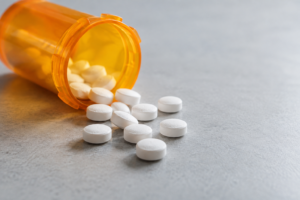


Is Suboxone a good treatment for opiate addiction? Suboxone is a type of medication that is one of the preferred ways of treating opiate addiction. It is less habit-forming than other opiate medications, and a family doctor can prescribe the medication for long-term use. If you are asking is suboxone a good treatment, it is time to call a treatment center and find out how they can help you or a loved one with opiate addiction.
At Swift River, we help men and women who are struggling with opiate addiction from opiate pain medication, heroin, or other opioids. We offer drug and alcohol detox, residential treatment, and outpatient treatment programs to treat all levels of addiction. Patients with severe withdrawal symptoms will use Suboxone and other medications to minimize withdrawal symptoms and cravings while participating in behavioral therapy. Is Suboxone a good treatment for opiate addiction? Call 413.570.9698 to speak with our knowledgeable staff about the benefits of our medication-assisted treatment.
Is Suboxone a Good Treatment for Opiate Addiction?
Suboxone is a good treatment for opiate addiction when patients follow their treatment program and do not take other opioids. It is preferred to other opioid addiction medications like Methadone as there is less risk of forming a dependence. Suboxone treatment reduces withdrawal symptoms during detox and throughout the treatment program.
Suboxone can reduce many of the common opiate withdrawal symptoms, including:
- Muscle aches and pain
- Anxiety
- Excessive sweating
- Insomnia
- Stomach cramps
- Diarrhea
- Nausea and vomiting
- Rapid heat rate
- High blood pressure
Going through opiate withdrawals alone can be very painful and potentially lead to a relapse and overdose when symptoms peak around 48-72 hours. At Swift River, we can ease your opiate withdrawals using Suboxone and other medications as part of a comprehensive treatment plan that includes behavioral and holistic therapy.
Understanding Suboxone and Opiate Addiction
Suboxone contains the active ingredients buprenorphine and naloxone. Buprenorphine is a partial opioid agonist that blocks the opioid receptors and reduces a person’s urge for more opiates. Naloxone reverses the effects of opioids and is used to stop the effects of an overdose. The combination of these two drugs allows it to be successful for detoxing and long-term use.
Suboxone is taken as a sublingual film or tablet. A sublingual film is a thin strip that is placed on either side of the cheek and left to dissolve, and the tablet is placed under the tongue. Before taking Suboxone, drink a glass of water to help with absorption. Do not chew or swallow the film or tablet, and do not talk while they dissolve, as this may reduce its effectiveness.
Before starting Suboxone treatment, talk with your doctor or therapist about:
- If you are currently taking acetaminophen, fluoxetine, HIV-treatment drugs, niacin, verapamil, or oral contraceptives.
- If you are allergic to buprenorphine or naloxone
- Have liver or kidney disease
- Sleep apnea
- A history of tooth decay
- Problems with your gallbladder, adrenal gland, or thyroid
- If you experience seizures or have a head injury or brain tumor
On average, patients will take Suboxone for 6-12 months, but some patients may require longer treatment depending on the severity of their addiction.
Swift River – Massachusetts: Safe Suboxone Treatment for Opiate Addiction
At Swift River, our medication-assisted treatment program uses safe medications to treat alcohol, opiate, and other forms of addiction. Suboxone and other name-brand medications are proven effective in reducing opiate withdrawals and allowing patients to concentrate fully on their recovery. During Suboxone treatment, patients will participate in a variety of therapies depending on their unique symptoms:
- Cognitive-behavioral therapy
- Dialectical behavior therapy
- Co-occurring disorders treatment
- Family therapy
- Motivational interviewing
- Group and individual therapy
If you or a loved one is struggling with opiate use disorder, reach out to our knowledgeable team at 413.570.9698 to learn about the benefits of our Suboxone treatment for opiate addiction.