





You or a loved one made it through treatment at an addiction center, but that doesn’t mean the road to recovery is over.
For many in Cummington, Massachusetts, the jump from inpatient care to regular life is steep. Sober living homes in Massachusetts help close that gap, giving people structure and support they need to practice recovery before returning to normal life.
Swift River provides addiction treatment for Massachusetts residents in a substance-free environment on a sprawling 500-acre campus. The center offers care from start to finish, from medical detox to residential treatment, and its clinical team helps connect residents with MASH-certified sober living homes after completing their program.
What Massachusetts Sober Living Homes Offer
A sober living home is a residential setting where people recovering from substance use disorders live together in an alcohol and drug-free space. These homes aren’t treatment centers. They don’t provide medical care or intensive therapy. Instead, they offer something different: a real-world environment where residents practice the skills they learned in treatment while still having peer support and structure around them.
Most sober living homes in Massachusetts require residents to follow house rules, attend support group meetings like Alcoholics Anonymous or Narcotics Anonymous, submit to regular drug testing, contribute to household chores, and work or attend school. The goal is independence with guardrails. Residents pay rent, cook meals, manage schedules, and handle conflicts, all while maintaining sobriety and supporting others doing the same.
Who Benefits from Sober Living in Massachusetts
- Individuals in early recovery who have completed inpatient treatment and face a high-trigger environment upon returning home, as sober living removes immediate pressures and high-risk relapse factors like housing instability, unemployment, and lack of social support.
- People with co-occurring mental health disorders, such as depression, anxiety, or PTSD, who benefit from the structure and consistency of sober living.
- Veterans.
- Individuals reentering society after incarceration.
- People who traveled out of state for treatment and wish to remain near their new recovery community.
Daily Life in a Sober Living Home
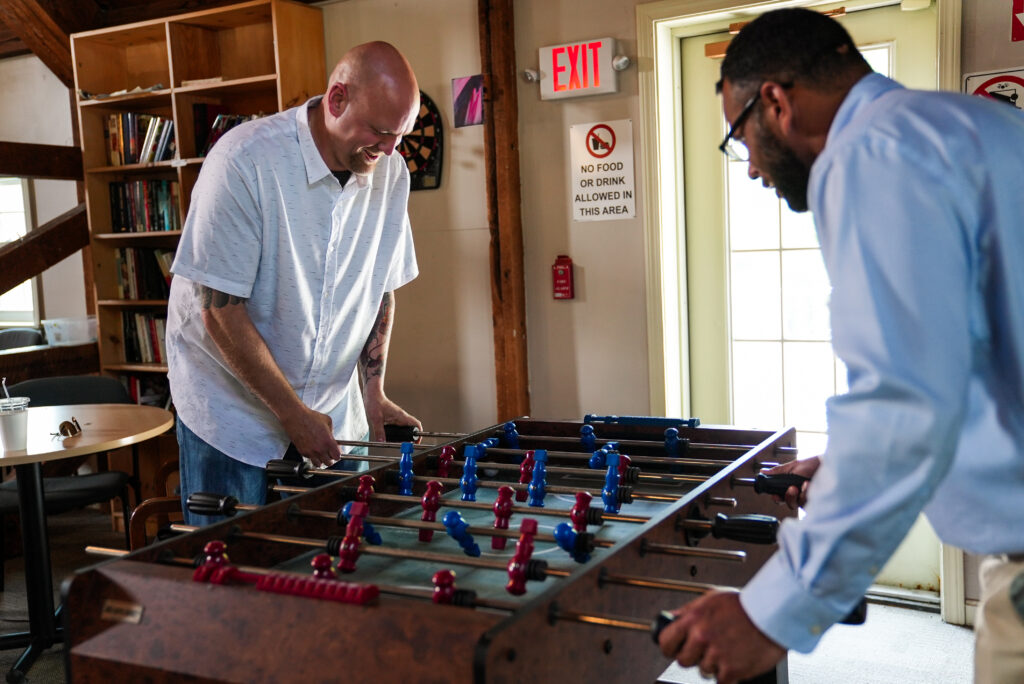
Each morning starts with shared responsibilities. Residents clean, prepare breakfast, and get ready for their day. Some leave for work or school. Others attend outpatient therapy sessions or job interviews. Evenings typically include house meetings where residents discuss their day, share struggles or victories, and resolve any conflicts. These meetings create space for honest conversation about what recovery actually looks like outside a treatment center.
Most sober living homes require attendance at 12-step meetings or other mutual support groups several times per week. Residents often coordinate rides or walk together to local meetings. Random drug and alcohol testing keeps everyone honest. A positive test usually means immediate discharge.
Massachusetts Sober Home Standards and Certification
Not all sober living homes meet the same standards. In Massachusetts, the Massachusetts Alliance for Sober Housing(MASH) serves as the state’s recognized certification authority. MASH-certified homes follow standards set by the National Alliance for Recovery Residences and undergo regular independent inspections.
Certification matters because it guarantees baseline safety and ethical operation. Certified homes maintain a drug and alcohol-free environment, provide recovery-oriented support, and submit to monitoring that ensures compliance. State agencies in Massachusetts are required to refer individuals only to MASH-certified homes. If you’re looking for sober housing, ask whether the home holds MASH certification.
Length of Stay and Next Steps
How long someone stays in sober depends on their situation. Some residents stay three to six months. Others stay a year or longer. The key is leaving when the resident has built enough stability to maintain sobriety independently, including secure housing, stable employment, a support network, and confidence in managing life’s stresses without using substances.
Costs and Financial Assistance
Sober living homes in Massachusetts typically charge weekly or monthly rent, ranging from roughly $150 to $250 per week depending on location and amenities. This cost usually covers the room, utilities, and basic household needs. Unlike inpatient treatment, sober living is not typically covered by health insurance because it’s considered housing rather than medical care.
For people without financial resources, several assistance programs exist. The Rise Again Foundation provides scholarships to women in Massachusetts for sober home rent. Some county programs and nonprofit organizations offer short-term funding to bridge the gap while residents find employment. Massachusetts residents enrolled in certain state-funded treatment programs may qualify for housing vouchers or subsidies. At Swift River, our admissions team can help identify potential resources.
Call the admission team at 413-570-9698 to get started.
Finding Quality Sober Living in Massachusetts
Not every sober living home operates ethically or safely. Before committing, visit the home in person and look for MASH certification. Ask about house rules, expectations for residents, the screening process, drug testing policies, and what happens if someone relapses. Pay attention to whether the home feels safe and well-maintained, whether current residents support each other, and whether staff are available to address problems.
Check whether the home supports medication-assisted treatment. Some recovery homes still prohibit FDA-approved medications like buprenorphine or naltrexone, which contradicts current evidence-based practice. A quality sober home should support whatever treatment approach works for the individual, including medications prescribed for opioid use disorder or co-occurring mental health conditions.
Swift River in Cummington, Western Massachusetts
Swift River is located at 151 South St. in Cummington, a small town in Western Massachusetts nestled in the Berkshire Mountains. The facility sits on 500 acres of wooded property, providing a peaceful setting away from the distractions and triggers that can derail early recovery. While Swift River doesn’t operate its own sober living homes on campus, the clinical team maintains strong relationships with MASH-certified recovery residences throughout the region and helps residents find appropriate housing after completing treatment.
For individuals from Cummington, nearby communities like Northampton, Pittsfield, Amherst, and Springfield, Swift River provides comprehensive addiction treatment services. The facility offers medically supervised detox, residential inpatient treatment, medication-assisted treatment, and co-occurring disorder care. The distance from urban environments and the supportive natural setting make it easier for residents to focus entirely on building recovery skills.
Evidence-Based Treatment at Swift River
Swift River’s treatment approach combines evidence-based therapies with experiential activities in a supportive environment. Clinical services include individual therapy, group therapy, family therapy, cognitive behavioral therapy (CBT), dialectical behavior therapy(DBT), and trauma-informed care. For people with opioid use disorder, Swift River offers medication-assisted treatment with FDA-approved medications when clinically appropriate.
The facility is accredited by The Joint Commission and recognized by the Substance Abuse and Mental Health Services Administration. This means Swift River meets national standards for quality and safety in addiction treatment. Swift River also offers a specialized veterans program called Your Six Recovery, which addresses the unique challenges faced by military service members and veterans in recovery.
Paying for Sober Living Homes in Cummington, Massachusetts
Paying for sober living is a common concern for most families in Massachusetts. While sober living homes are generally classified as housing rather than medical treatment, financial assistance options do exist for those who need help covering costs.
Swift River accepts most commercial insurance plans for its addiction treatment programs, which often precede a transition to sober living. To better understand your coverage options, visit our insurance verification page to check your coverage.
The Center for Community Recovery Innovations (CCRI), administered by MassHousing, awards grant funding to nonprofit organizations that create and preserve affordable sober housing units across Massachusetts.
Massachusetts Recovery Resources
Beyond sober living homes, Massachusetts offers extensive recovery support services. In Western Massachusetts, communities like Northampton, Amherst, Pittsfield, and Springfield host regular Alcoholics Anonymous, Narcotics Anonymous, and SMART Recovery meetings at churches, community centers, and recovery clubs.
For people struggling to find treatment, the SAMHSA National Helpline at 1-800-662-4357 operates 24/7 and connects callers to local treatment resources throughout Massachusetts. The service is free and confidential. Massachusetts residents can also use the state’s Substance Use Helpline at 1-800-327-5050 for treatment referrals and support services specific to the region.
MassHealth, the state’s Medicaid program, covers substance use disorder treatment including detox, inpatient care, outpatient therapy, and medication-assisted treatment. Coverage extends to many private and public treatment providers across the state. For information about MassHealth benefits and eligibility, visit the MassHealth website or call their customer service line.
Why Choose Swift River for Addiction Treatment in Western Massachusetts
Swift River stands out because of its commitment to individualized care in a setting designed for healing. The campus in Cummington provides space for residents to disconnect from daily stressors and focus entirely on recovery. The Berkshire Mountains setting offers a therapeutic environment that many urban treatment centers can’t provide, with outdoor activities like hiking, fishing, and adventure therapy complementing traditional clinical services.
After leaving Swift River, residents can access alumni services and ongoing support through the facility’s aftercare program. This includes continued connection to recovery coaches, alumni groups, and referrals to outpatient services or sober living homes throughout Massachusetts. Recovery doesn’t stop when treatment ends, and Swift River’s continuum of care reflects that reality.
Getting Started with Addiction Treatment in Cummington
If you or someone you care about is struggling with addiction in Cummington, Northampton, Springfield, or anywhere in Western Massachusetts, reaching out for help is the most important decision you can make. Swift River’s admissions team is available 24/7 to answer questions, verify insurance coverage, and help arrange transportation to the facility in Cummington.
Use our website to see if your insurance is accepted on our verification page.
Call 413-570-9698 to speak with someone who understands what you’re going through. You can also visit the insurance verification page to submit your information online. With the right support, structure, and community, long-term sobriety becomes achievable.
Frequently Asked Questions About Sober Living Homes
How long is the average stay in a sober living home?
Most residents stay between 3 to 12 months. However, recovery is individual; some stay longer to ensure they have established a solid foundation. The ideal time to transition out is when you have secured:
- Stable, long-term housing.
- Steady employment or an educational path.
- A reliable local support network (sponsors, recovery groups).
Can I work or go to school while in sober living?
Yes. In fact, most Massachusetts recovery residences require residents to work, attend school, or volunteer. This is a core part of the “real-world” transition, helping you rebuild financial independence and daily structure while maintaining a safety net of peer support.
Does insurance cover the cost of sober living in MA?
Generally, no. Because sober living is classified as “alcohol and drug-free housing” rather than medical treatment, most private insurance and MassHealth do not cover the rent.
- Costs: Typically range from $150-$250 per week.
- Assistance: Financial aid is often available.
What is the difference between a sober home and a halfway house?
While both support recovery, they differ in how they are managed:
- Sober Living Homes: Usually private and voluntary. They focus on peer accountability and community.
- Halfway Houses: Often state-funded and may be court-mandated. They typically have stricter, more clinical supervision and are often tied to the justice system.
Are prescription medications allowed in recovery housing?
This depends on the specific home. However, quality MASH-certified homes in Massachusetts increasingly support Medication-Assisted Treatment (MAT). If you are taking FDA-approved medications like buprenorphine (Suboxone) or naltrexone (Vivitrol), always confirm that the home is “MAT-friendly” during your initial inquiry.
How do I know if a sober home is safe and legitimate?
Always look for MASH (Massachusetts Alliance for Sober Housing) Certification. This ensures the home meets national standards for safety, ethics, and recovery support. You should also ask to see their drug testing policy and house rules before signing a residency agreement.
Crisis Resources
If you are in a crisis or need immediate help, please contact the 988 Suicide & Crisis Lifeline by calling or texting 988. Trained crisis counselors are available 24/7 to provide support. For medical emergencies, call 911.
Learn More
The following resources provide additional information about sober living homes, addiction treatment, and recovery support: