




Are you struggling with addiction to Benzodiazepines? You’re not alone. Millions of people around the world are addicted to benzodiazepines, a class of drugs commonly used for anxiety and sleep disorders.
But quitting benzodiazepines can be tough. Withdrawal symptoms can range from mild discomfort to life-threatening seizures. That’s why it’s important to overcome your addiction in the right way.
In today’s blog post, we’ll explore the different types of benzodiazepines, withdrawal symptoms, and most importantly, how to quit using them safely and effectively.
The Different Types Of Benzodiazepines
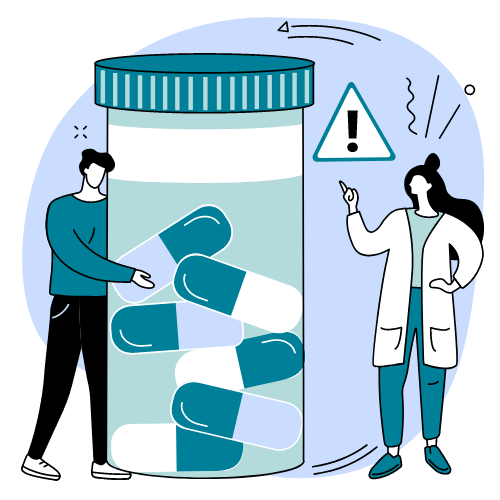
Benzodiazepines, or benzos, are a class of drugs that act on the central nervous system to produce a sedative effect. There are many different types of benzodiazepines available, each with its own unique properties and effects.
Some commonly prescribed benzodiazepines include:
- Xanax (alprazolam)
- Valium (diazepam)
- Klonopin (clonazepam)
- Ativan (lorazepam)
- And Restoril (temazepam)
It’s important to note that all benzodiazepines have the potential for abuse and addiction if not taken as directed by a healthcare provider. It’s essential to follow dosing instructions carefully and never take more than recommended without consulting with your physician first.
In some cases, alternative medications or therapies may be an option when treating conditions such as anxiety or insomnia, so it’s crucial to discuss all options with your doctor before starting any new medication regimen.
What Are The Withdrawal Symptoms Of Benzodiazepines?
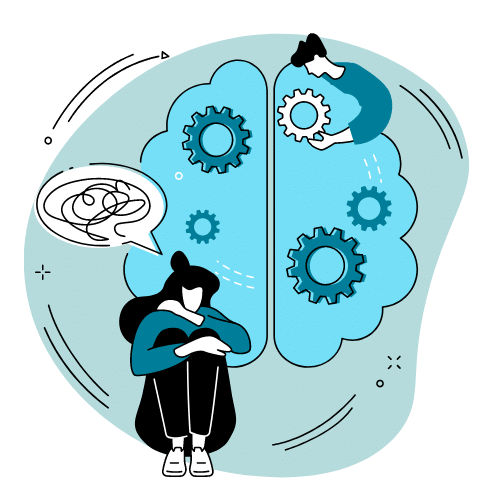
Withdrawal symptoms from benzodiazepines can be intense and uncomfortable.
Symptoms include:
- Anxiety
- Irritability
- Nausea
- Vomiting
- Sweating
- Tremors or shakes
- Hallucinations
- And even life-threatening seizures
The severity of the withdrawal symptoms largely depends on the dosage taken by an individual as well as how long they have been using benzodiazepines for.
It’s important to note that abruptly stopping the use of benzodiazepines without proper medical supervision is extremely dangerous and potentially life-threatening. This is why it’s critical for individuals who want to quit using benzodiazepines to seek professional help from a doctor or reputable treatment center like ours before abruptly stopping taking these drugs.
Medical professionals typically recommend tapering off usage slowly rather than quitting cold turkey in order to minimize the intensity of withdrawal symptoms. Additionally, medications such as antidepressants may be prescribed during this process to manage some of the more severe withdrawal symptoms like anxiety or depression.
How To Quit Using Benzodiazepines The Right Way
Quitting benzodiazepines can be a challenging process, and should never be undertaken without the guidance of a professional. Because of the risk of life-threatening seizures, someone seeking to stop taking benzos should always speak with a doctor beforehand.
Again, we want to stress: discontinuing the use of benzodiazepines should always be done under the watchful eye of a professional. If someone has been using benzos illegally, an addiction specialist is likely the right person to speak with.
Professional Treatment For Benzo Addiction
Professional treatment is often necessary for individuals struggling with addiction to benzodiazepines. This type of addiction can be difficult to overcome alone, and the support and guidance of healthcare professionals can make a significant difference in recovery.
One option for professional treatment is an inpatient rehab facility. In this setting, individuals are able to receive 24/7 care from medical staff and participate in therapy sessions to address the underlying causes of their addiction.
Outpatient programs are another option for those seeking professional help. These programs allow individuals to receive treatment while still maintaining their daily responsibilities such as work or school.
Intensive Outpatient Programs are yet another option. This is a level of care somewhere in intensity between inpatient and outpatient which allows the patient to live at home or in a sober living facility while receiving many hours of treatment a week.
Medication-assisted treatment may also be used as part of professional treatment for benzo addiction. This involves the use of prescription medications that can help ease withdrawal symptoms and reduce cravings.
It’s important to note that successful recovery from benzo addiction requires ongoing support even after completing a professional treatment program. Support groups such as Narcotics Anonymous or continued care arranged by a facility like ours can provide continued support and accountability on the path towards sobriety.
Alternatives To Benzodiazepines
One alternative is cognitive-behavioral therapy (CBT), which helps individuals change their thought patterns and develop coping mechanisms without relying on medication.
Another alternative is relaxation techniques such as yoga, meditation, deep breathing exercises, and progressive muscle relaxation. These techniques help reduce anxiety symptoms by promoting relaxation and reducing stress levels.
Herbal supplements like valerian root have also been found to be effective in reducing anxiety symptoms and helping individuals sleep. However, it’s important to consult with a healthcare professional before taking any herbal supplements as they may interact with other medications or cause adverse effects.
Exercise has also been shown to be an effective way of managing anxiety symptoms as it releases endorphins which promote feelings of happiness and well-being. Additionally, regular exercise can improve sleep quality, which in turn reduces stress levels.
There are many options available for those who want to manage their anxiety without the use of benzodiazepines. It’s important to seek guidance from a healthcare professional when considering alternatives so you can choose the best option for your individual needs.
Have A Benzo Addiction? Get The Right Help Here
Overcoming benzo addiction is not an easy feat. However, it is possible with the right approach, support system and professional help. It’s important to remember that everyone’s journey to recovery is different and there is no one-size-fits-all solution.
Quitting benzodiazepines should always be done with a professional due to the risk of seizures. The most important thing is to seek help from a healthcare professional who will provide guidance on how best to tackle your addiction and watch over your health.
Remember that recovery takes time and patience, but it’s worth the effort in order to regain control of your life. With determination and the right mindset, you can overcome this addiction and lead a fulfilling life free from benzo dependency. Give us a call today for more information.