





A Deeper Look into the Realities
Addiction is a complex and multifaceted condition that has been shrouded in misconceptions and stigma for far too long. The lack of understanding surrounding addiction can perpetuate myths, hinder support, and prevent individuals from seeking the help they need. In this blog, we’ll unravel some of the most common misconceptions about addiction, shed light on the realities, and promote a more compassionate and informed perspective.
Misconception 1: Addiction is a Choice
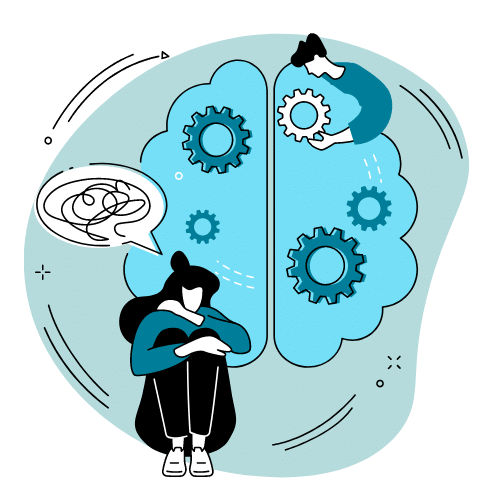
One of the most persistent misconceptions is that addiction is a result of weak willpower or a lack of self-control. In reality, addiction is a complex brain disorder characterized by changes in brain chemistry, structure, and functioning. Genetic predisposition, environmental factors, and neurological alterations play a significant role in the development of addiction. It’s not a simple matter of choosing to quit; the brain’s reward system is deeply impacted, making overcoming addiction a challenging process.
Misconception 2: Addicts Lack Morality or Character
Blaming individuals with addiction for their struggles is a harmful misconception. Addiction is not indicative of one’s moral compass or character. It’s a medical condition that can affect anyone, regardless of their background, socioeconomic status, or values. Associating addiction with morality perpetuates stigma and hinders progress towards effective treatment and support.
Misconception 3: Only Illegal Drugs Lead to Addiction
While illegal drugs can lead to addiction, prescription medications and even behaviors like gambling or gaming can also result in addictive patterns. Substance misuse and behavioral addiction share common neurological pathways that affect the brain’s reward system. It’s important to recognize that addiction can stem from various substances and activities.
Misconception 4: Addicts Can Quit Cold Turkey
Quitting addictive substances cold turkey can be dangerous and even life-threatening, especially in the case of substances with severe withdrawal symptoms. Medical supervision and proper treatment are crucial to manage withdrawal and increase the chances of successful recovery. Attempting to quit without professional help can lead to relapse and other health complications.
Misconception 5: Addiction Only Affects the Individual
Addiction has far-reaching effects that extend beyond the individual struggling with it. Families, friends, and communities are also impacted. The strain on relationships, emotional turmoil, financial stress, and societal costs are just a few of the ripple effects of addiction. Recognizing the broader impact of addiction can encourage a more empathetic and supportive approach.
Misconception 6: Treatment is a One-Size-Fits-All Solution
Effective addiction treatment involves a personalized and holistic approach. There is no universal solution that works for everyone. Treatment plans should be tailored to the individual’s needs, preferences, and circumstances. Factors such as co-occurring mental health disorders, history of trauma, and social support networks play a role in determining the most effective treatment strategy.
Misconception 7: Relapse Signifies Failure
Relapse is a common occurrence in addiction recovery and should not be seen as a failure. It’s a setback that can provide valuable insights into triggers, coping strategies, and areas that need further support. Relapse doesn’t negate the progress made; it’s an opportunity to learn, adjust, and continue working towards sustained recovery.
Dispelling misconceptions about addiction is essential to creating a more compassionate and informed society. By understanding that addiction is a complex brain disorder, acknowledging its impact on individuals and communities, and recognizing the diverse factors that contribute to its development, we can break down stigma and pave the way for effective treatment and support. Promoting empathy, education, and open conversations is crucial in transforming the way addiction is perceived and addressed in our communities.