




If you’re struggling with addiction, you’re not alone in also facing mental health challenges. Research shows that nearly half of people with substance use disorders also have co-occurring mental health conditions like depression, anxiety, PTSD, or bipolar disorder. This combination, known as dual diagnosis or co-occurring disorders, requires specialized treatment that addresses both conditions simultaneously.
For too long, the addiction treatment field treated these conditions separately, often leaving people bouncing between mental health providers and addiction counselors without getting comprehensive care. Today’s best treatment centers understand that addiction and mental health disorders are deeply interconnected and require integrated treatment approaches for lasting recovery success.
Massachusetts has become a leader in dual diagnosis treatment, with many facilities offering specialized programs designed specifically for people facing both addiction and mental health challenges. This integrated approach is producing better outcomes and helping more people achieve stable, long-term recovery.
Understanding the Connection
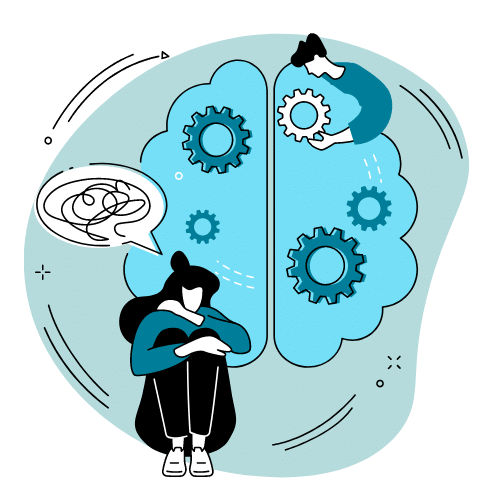
The relationship between addiction and mental health disorders is complex and often cyclical. Some people develop addiction after using substances to self-medicate symptoms of depression, anxiety, or trauma. Others develop mental health problems as a result of their substance use, as drugs and alcohol can alter brain chemistry and worsen existing conditions.
Many people experience both scenarios over time, creating a cycle where mental health symptoms trigger substance use, which then worsens mental health symptoms, leading to increased substance use. Breaking this cycle requires treating both conditions together rather than addressing them separately.
Research has identified several mental health conditions that commonly co-occur with addiction. Depression affects millions of Americans and often leads people to use alcohol or drugs to cope with feelings of sadness, hopelessness, or worthlessness. Unfortunately, these substances typically worsen depression over time, creating a dangerous cycle.
Anxiety disorders, including generalized anxiety, panic disorder, and social anxiety, frequently co-occur with substance use. People may start using alcohol to calm their nerves in social situations or use stimulants to feel more confident, only to find that their anxiety worsens when the substances wear off.
Post-traumatic stress disorder (PTSD) has particularly strong connections to addiction, with studies showing that people with PTSD are significantly more likely to develop substance use disorders. Many people with trauma histories use substances to numb painful memories or emotions, but this approach often prevents the healing that trauma therapy can provide.

Why Integrated Treatment Works
Traditional treatment approaches often required people to address their mental health issues before entering addiction treatment, or vice versa. This sequential approach frequently failed because the conditions are so intertwined that treating one while ignoring the other left people vulnerable to relapse or worsening mental health symptoms.
Integrated dual diagnosis treatment addresses both conditions simultaneously through coordinated care teams that include addiction counselors, mental health therapists, psychiatrists, and other specialists. This approach recognizes that recovery requires addressing all aspects of a person’s mental health and substance use patterns together.
The benefits of integrated treatment are significant. People receive comprehensive care that addresses the root causes of both their addiction and mental health symptoms. They learn coping strategies that work for both conditions and develop a more complete understanding of how their mental health and substance use affect each other.
Integrated treatment also reduces the confusion and frustration of navigating multiple providers with different treatment philosophies. Instead of getting conflicting advice from separate mental health and addiction specialists, people receive coordinated care from a team that communicates and works together toward shared treatment goals.
What to Look for in Dual Diagnosis Treatment
Effective dual diagnosis treatment programs should have staff with specialized training in both addiction and mental health disorders. Look for facilities where psychiatrists, psychologists, and addiction counselors work together as an integrated team rather than operating separately.
The best programs use evidence-based treatments that have been proven effective for co-occurring disorders. This might include cognitive-behavioral therapy, dialectical behavior therapy, trauma-informed care, and appropriate psychiatric medications when needed. The treatment approach should be individualized based on your specific combination of conditions and symptoms.
Comprehensive assessment is crucial for effective dual diagnosis treatment. Quality programs conduct thorough evaluations that examine your substance use history, mental health symptoms, trauma experiences, family history, and other factors that might influence treatment planning. This assessment should result in an integrated treatment plan that addresses all aspects of your situation.
The Role of Medication
Many people with dual diagnosis benefit from psychiatric medications to help stabilize mood, reduce anxiety, or address other mental health symptoms. However, medication management requires special expertise when addiction is involved, as some medications can be habit-forming or interact poorly with substances.
The best dual diagnosis programs include psychiatrists who specialize in addiction medicine and understand how to safely prescribe psychiatric medications for people in recovery. They monitor medications closely and make adjustments based on your progress in both addiction recovery and mental health stability.
It’s important to be honest with your treatment team about any concerns about taking psychiatric medications. Some people worry that taking medication for mental health conditions somehow compromises their sobriety, but appropriate psychiatric treatment often makes recovery more successful and sustainable.
Recovery as a Whole-Person Process
Dual diagnosis treatment recognizes that recovery involves much more than just stopping substance use or managing mental health symptoms. True recovery means developing healthy coping strategies, building supportive relationships, finding meaning and purpose, and creating a life that supports both mental wellness and sobriety.
This might include developing stress management techniques that address both mental health symptoms and addiction triggers, building social connections with people who support both your mental health and recovery goals, and finding activities and interests that provide natural mood enhancement without substances.
Swift River’s approach to dual diagnosis treatment exemplifies this comprehensive model. Their integrated treatment teams include specialists in both addiction and mental health who work together to address the complex needs of people with co-occurring disorders. Located in the healing environment of the Berkshire Mountains, their programs provide the therapeutic intensity and medical expertise necessary for successful dual diagnosis treatment.
The facility’s trauma-informed approach recognizes that many people with dual diagnosis have histories of trauma that contribute to both their addiction and mental health challenges. Their individualized treatment planning ensures that each person receives the specific combination of therapies and support services that address their unique situation.
If you’re struggling with both addiction and mental health challenges, know that effective treatment is available. Dual diagnosis doesn’t make recovery impossible – it just requires specialized care that addresses all aspects of your situation. With integrated treatment that addresses both conditions together, lasting recovery and mental wellness are absolutely achievable.