




If drinking has gone from social habit to something your body depends on, you may be wondering whether it is time for alcohol detox. For many people in Massachusetts, alcohol detox is the first safe step away from withdrawal, medical risks, and the cycle of drinking just to feel “normal.” A medically supervised detox program in a structured setting can help you get through those first days so you can move on to real treatment and long term recovery.
This guide explains what alcohol detox is, who needs it, and the top five signs that you may be safer in a supervised detox program rather than trying to quit on your own. You will also learn what to expect at Swift River’s alcohol detox in Cummington, Massachusetts, how insurance works, and where to find additional support and resources in the state.
What Is Alcohol Detox And Why It Matters
Alcohol detox is the medically supervised process of clearing alcohol from your system while managing withdrawal symptoms. When your brain and body have adapted to heavy or long term drinking, suddenly stopping can trigger symptoms that range from mild anxiety and tremors to seizures, hallucinations, and a life threatening condition called delirium tremens.
A supervised alcohol detox program provides 24/7 monitoring, medications when appropriate, and a calm environment where your vital signs, hydration, and comfort are closely watched. At Swift River in Western Massachusetts, detox is the starting point for a full continuum of alcohol addiction treatment, not a stand alone service. Medical staff stabilize you so you can move into inpatient rehab and therapy with a clearer mind and a safer body.
Who Alcohol Detox Helps
Only a medical professional can decide whether you need inpatient alcohol detox, but there are some common situations where supervised detox is strongly recommended. You are more likely to need alcohol detox if:
- You drink heavily most days of the week or throughout the day.
- You have tried to cut back or stop and experienced withdrawal symptoms like shaking, sweating, nausea, or severe anxiety.
- You have ever had alcohol withdrawal seizures or been told you had delirium tremens.
- You have serious medical conditions such as heart disease, liver disease, pancreatitis, or uncontrolled high blood pressure.
- You also take benzodiazepines, sleep medications, or other sedating drugs.
- You are pregnant or have significant mental health conditions such as major depression, PTSD, or bipolar disorder.
If several of these apply to you, it is unsafe to “white knuckle” through withdrawal at home. A structured detox center in Massachusetts can greatly reduce the risk of complications and give you a smoother start to recovery.
Sign 1: You Have Alcohol Withdrawal Symptoms When You Cut Back
One of the clearest signs that you may need alcohol detox is the presence of withdrawal symptoms when you do not drink. These symptoms usually begin within several hours after your last drink and can last for days. Mild withdrawal can still be dangerous if it escalates, and there is no way to predict exactly how severe it will be for any one person.
Common alcohol withdrawal symptoms include:
- Hand tremors or shakiness
- Heavy sweating, clammy skin, or rapid heart rate
- Anxiety, nervousness, or feeling “on edge”
- Nausea, vomiting, or loss of appetite
- Headache and difficulty concentrating
- Trouble sleeping or vivid, disturbing dreams
- In more severe cases, hallucinations, confusion, seizures, or fever
If you have ever had a seizure, severe confusion, or hallucinations when you stopped drinking, you should not attempt to detox at home again. Those are medical emergencies. Call 911 or go to the nearest emergency department immediately.
Even if your past withdrawal has been “only” shaking, sweating, or intense anxiety, supervised detox is safer than going through it alone. At Swift River, the detox team uses evidence based protocols to manage withdrawal symptoms, monitor vital signs, and adjust care as your body transitions off alcohol.
Sign 2: You Cannot Make It Through The Day Without Drinking
Another major sign that you may need alcohol detox is when you need alcohol just to get through a normal day. This goes beyond occasional overdrinking and into physical dependence. You may recognize some of these patterns:
- Needing a drink in the morning to stop shaking or feel steady enough to work.
- Sneaking drinks at work, in the car, or in the bathroom to keep withdrawal symptoms away.
- Feeling your mood crash or your body start to tremble if you are in a situation where you cannot drink.
- Planning your schedule around when and where you can access alcohol.
When alcohol has become a required “fuel” for your day, your nervous system is likely dependent on it. Trying to stop suddenly on your own can be very uncomfortable at best and dangerous at worst. A medically supervised alcohol detox in Massachusetts can help you come off alcohol in a controlled way. Medications and close monitoring reduce the crash that happens when your brain no longer has the substance it has been relying on.
Sign 3: You Drink Much More Than You Intended On A Regular Basis
Loss of control over drinking is a core symptom of alcohol use disorder and a strong indicator that you may benefit from detox. This often shows up as:
- Routinely drinking more than you planned, even when you promised yourself you would “only have a couple.”
- Finding that once you start, you cannot stop or switch to water until you are intoxicated.
- Frequent blackouts or missing pieces of the night.
- Friends or family expressing concern about how much or how often you drink.
The National Institute on Alcohol Abuse and Alcoholism describes binge drinking as four or more drinks for women, or five or more for men, in about two hours. Frequently drinking at or above these levels raises the risk of dependence, accidents, and medical complications over time. If this pattern happens most weekends, or several nights a week, your body may already have begun to rely on alcohol.
People in this situation sometimes try to “detox” by abruptly stopping after a heavy run, only to end up shaky, sick, and unable to sleep. That can lead to a cycle of stopping and restarting that is hard on both body and brain. Entering a supervised detox program breaks this pattern by combining safe withdrawal management with a next step plan for rehab and therapy.
Sign 4: Your Drinking Is Causing Serious Health Or Safety Problems
Health and safety red flags are another key sign that detox and further treatment are needed. Alcohol affects nearly every organ system. Over time, heavy drinking can lead to high blood pressure, heart rhythm problems, liver disease, pancreatitis, weakened immune function, and gastrointestinal bleeding. It also increases the risk of accidents, falls, and impaired driving.
Consider alcohol detox if you recognize any of the following:
- Your doctor has warned you about alcohol related liver, heart, or pancreas problems.
- You have been hospitalized for alcohol poisoning, pancreatitis, or injuries that happened while drunk.
- You have driven while intoxicated or received a DUI or OUI.
- Relationships, work, or school performance are suffering because of alcohol.
These are not minor issues. They are signs that alcohol is putting your body, safety, and future at risk. Detox is not a punishment. It is a medical service intended to stabilize you, lower your immediate risk, and create space for real change. At Swift River, alcohol detox is followed by inpatient and therapeutic services that focus on coping skills, relapse prevention, and rebuilding your life.
Sign 5: You Have Other Medical Or Mental Health Conditions
Alcohol withdrawal is more dangerous when other medical or mental health conditions are present. If any of the following apply to you, attempting to detox without medical supervision can be especially risky:
- History of alcohol withdrawal seizures, delirium tremens, or ICU stays during detox.
- Serious heart or lung disease, uncontrolled diabetes, or severe high blood pressure.
- Liver disease, including cirrhosis or hepatitis.
- Use of benzodiazepines, opioids, or other sedating medications.
- Pregnancy or postpartum status.
- Conditions such as major depression, PTSD, bipolar disorder, or active suicidal thoughts.
In these situations, alcohol detox should happen in a setting where physicians and nurses can respond quickly. Swift River’s detox program in Cummington includes 24/7 medical supervision, access to medications that reduce withdrawal symptoms, and coordination with the rest of your treatment team so both addiction and co occurring conditions are addressed.
If you are in crisis or thinking about harming yourself, call or text 988 for the Suicide & Crisis Lifeline. If you or someone near you has chest pain, trouble breathing, seizures, or sudden confusion, call 911 right away.
What To Expect In Alcohol Detox At Swift River In Massachusetts
Walking into a detox program can feel intimidating. Knowing what to expect can make those first steps less overwhelming. While every person’s plan is individualized, alcohol detox at Swift River typically includes:
Comprehensive Intake And Assessment
When you arrive at Swift River’s campus in the Berkshire region of Western Massachusetts, staff will complete a medical and psychiatric history, substance use history, and physical exam. They may order lab work or other tests to check your overall health. This information helps the team determine the safest detox level of care and any additional medical needs.
24/7 Monitoring And Withdrawal Management
During alcohol detox, you will be monitored around the clock for changes in blood pressure, heart rate, temperature, and mental status. Nurses and providers use structured tools to evaluate withdrawal symptoms and adjust your care. Medications may be given to reduce anxiety, prevent seizures, help with sleep, and manage nausea or discomfort. Hydration, nutrition, and rest are priorities in these first days.
Supportive Environment And Early Recovery Work
As you begin to feel better, staff will introduce gentle therapeutic activities. These may include one to one check ins, psychoeducation groups about addiction and recovery, and opportunities to practice basic coping skills. The focus in detox is stabilization, not intense emotional processing, but you will not be left on your own. The Swift River team will also begin planning your transition into inpatient rehab or another appropriate next step.
How Long Alcohol Detox Takes And What Comes Next
Detox is a short but critical phase of alcohol treatment. Many people complete acute alcohol detox in three to seven days, although the exact timeline depends on how much you have been drinking, your overall health, and whether you have had complicated withdrawal before. Some mild symptoms such as sleep disturbance and mood swings can last longer, which is another reason continued treatment after detox is so important.
At Swift River, alcohol detox is followed by structured residential treatment on the same Massachusetts campus. Inpatient rehab provides:
- Daily individual and group therapy.
- Evidence based approaches such as cognitive behavioral therapy and dialectical behavior therapy.
- Medication assisted treatment when appropriate.
- Family support and education.
- Discharge planning and aftercare coordination.
Having detox and inpatient care in one place means you do not have to move between facilities during a vulnerable time. You can focus on your recovery while the team handles the logistics.
Costs, Insurance, And Access To Detox In Massachusetts
Cost is a common concern for people considering alcohol detox. In Massachusetts, commercial health plans and MassHealth (the state’s Medicaid program) generally must follow parity laws, which means benefits for substance use treatment should be comparable to other medical care. The details depend on your specific plan, but detox and inpatient rehab are often covered services when medically necessary.
Swift River works with many major insurers and can help you understand what your plan may cover. If you are unsure about your benefits, you can:
- Use Swift River’s online insurance verification form to check your coverage.
- Review payment options for treatment, including private pay arrangements.
- Call the admissions team directly at 413-570-9698 to discuss your situation.
If you are enrolled in MassHealth and need help finding services, the Massachusetts Substance Use Helpline and other state resources can also guide you toward appropriate care in your area.
After Detox: Local And State Resources For Massachusetts Residents
Detox is only the beginning. Long term recovery almost always requires ongoing support. In addition to Swift River’s inpatient and therapy programs, Massachusetts residents have access to several helpful resources:
- Massachusetts Substance Use Helpline – A free, confidential, 24/7 service that helps you find harm reduction, treatment, and recovery support across the state.
- Bureau of Substance Addiction Services (BSAS) – Oversees licensing and funding for substance use treatment programs in Massachusetts and offers information on available services.
- Massachusetts Behavioral Health Help Line Resource Directory – A searchable directory of mental health and substance use services statewide.
- SAMHSA’s national treatment locator – Helps you find accredited substance use and mental health programs anywhere in the United States.
- Mutual support groups such as Alcoholics Anonymous, SMART Recovery, and Refuge Recovery, which offer free peer support in communities throughout Massachusetts and online.
If you or someone you love is in immediate danger due to alcohol use or any other medical emergency, call 911. For emotional or mental health crises, including thoughts of suicide, call or text 988 to reach the Suicide & Crisis Lifeline.
How To Compare Alcohol Detox Centers
If you think you may need detox, you may also be comparing different programs. While every person’s priorities are different, quality alcohol detox programs typically share some key features:
- Licensing and accreditation by recognized bodies.
- On site medical providers and 24/7 nursing care.
- Evidence based protocols for alcohol withdrawal management.
- Ability to manage co occurring medical and mental health conditions or coordinate hospital care when needed.
- Clear plan for transition from detox into inpatient, outpatient, or step down levels of care.
- Family communication and involvement when appropriate.
- Safe, clean environment and supportive staff.
Swift River’s detox program is part of a larger continuum of care that includes residential treatment, medication assisted treatment, and a range of therapies, all delivered on a scenic campus in Western Massachusetts. You can learn more about the team and philosophy of care on the center’s Meet the Team and About Us pages.
Why People From Across Massachusetts Choose Swift River
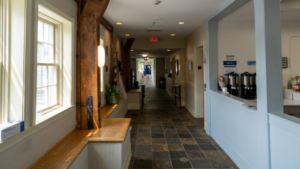
Swift River is located in Cummington in the Berkshire region of Western Massachusetts. The campus offers a blend of natural beauty and clinical structure that many people find helpful in early recovery. Being in a quieter, wooded setting can give you space away from triggers, while still keeping you within driving distance of communities like Springfield, Pittsfield, Worcester, Albany, and Hartford.
The program combines:
- Medically supervised alcohol and drug detox.
- Inpatient rehab with 24/7 support.
- Medication assisted treatment when appropriate.
- Co occurring disorder treatment for people with both addiction and mental health conditions.
- Therapies such as individual, group, and family counseling.
Note On Location
Swift River is a private detox and rehab center in Cummington, Massachusetts, not a city outpatient clinic. Many people travel from across Massachusetts and neighboring states to start treatment there because the campus offers a therapeutic setting away from daily stress, yet remains close enough for family involvement and aftercare coordination. If you live in Boston, Worcester, Springfield, the Berkshires, or nearby New England communities, the admissions team can help you plan travel and next steps.
How To Start Alcohol Detox At Swift River
If you recognize yourself in several of the signs in this article, it may be time to talk with a professional about alcohol detox. You do not have to wait until things get even worse or risk another dangerous attempt to quit on your own.
Here are simple ways to get started with Swift River in Massachusetts:
- Call 413-570-9698 to speak with an admissions specialist about your symptoms, health history, and treatment options.
- Fill out the online insurance verification form to learn more about your coverage.
- Use the contact form to request a call back or ask questions about alcohol detox or inpatient rehab.
- Review Swift River’s inpatient treatment program and alcohol addiction treatment information to understand what comes after detox.
The decision to seek help is a significant step. If alcohol has taken over your days, a medically supervised detox program can help you get through withdrawal safely and open the door to a different way of living. You are not alone, and support is available in Massachusetts right now.
Further Reading
- National Institute on Alcohol Abuse and Alcoholism – Treatment for Alcohol Problems: Finding and Getting Help
- NIAAA – Health Topics: Binge Drinking
- Substance Abuse and Mental Health Services Administration – Treatment Locators
- Massachusetts Substance Use Helpline
- Massachusetts Bureau of Substance Addiction Services