





Seeking help to curb meth addiction can be a scary process. From where to get help and how long it will take to kick the addiction, help is available to individuals in Massachusetts from licensed medical professionals that use proven evidence-based therapy to help stop the cycle of addiction and the physical and psychologically demanding process of withdrawal.
While the acute phase of meth withdrawal typically lasts one to two weeks, the “crash” begins almost immediately, and psychological symptoms can persist for months. Because meth alters the brain’s dopamine receptors so severely, the withdrawal process often requires medical supervision to manage depression, psychosis, and intense cravings safely.
Swift River in Cummington, Massachusetts provides a medically monitored environment on a sprawling 250-acre campus near the Berkshire Mountains that allows residents to navigate this difficult timeline with dignity and clinical support.
Crystal Meth vs. Methamphetamine: Differences Explained
While they share a chemical foundation, crystal meth and powder methamphetamine differ significantly in their physical appearance, potency, and impact on the body. Understanding these distinctions is crucial for identifying the signs of substance use and seeking the right level of care.
The American Addiction Centers said the more someone uses meth, the more they become accustomed to feeling the euphoria associated with the drug, the more their pleasure receptors in the brain are dulled, causing them to not feel the same type of pleasure from naturally occurring things like food, exercise or sex.
What Is Powder Methamphetamine?
Often referred to as “speed” or “crank,” powder meth is an off-white or yellowish crystalline powder. It is typically consumed by snorting, swallowing (parachuting), or injecting. While less concentrated than crystal meth, it remains a highly dangerous and addictive central nervous system stimulant.
What Is Crystal Meth?
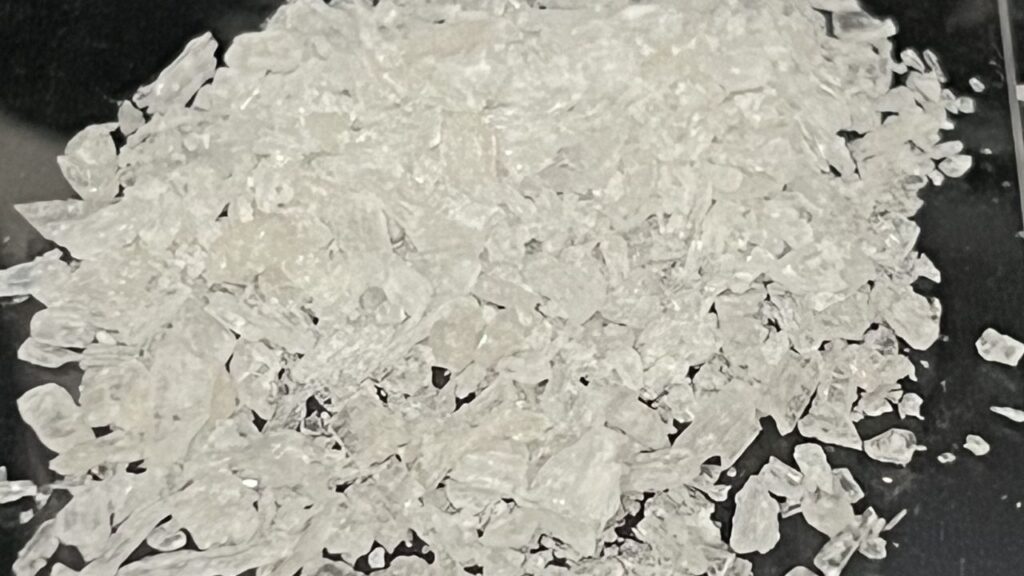
Crystal meth, commonly called “ice” or “glass,” is a highly purified form of the drug. It appears as translucent, bluish-white rocks or glass-like fragments. Because it is chemically more “pure,” it is significantly more potent and addictive than the powder form. It is most commonly smoked or injected.
Why the Difference Matters
The primary difference lies in the speed of delivery. Because crystal meth is usually smoked, it reaches the brain almost instantly, creating an immediate “rush.” This rapid spike in dopamine levels makes the cycle of addiction much faster and more severe than with powder meth.
Recognizing whether an individual is using powder or crystal meth can help healthcare providers determine the intensity of withdrawal symptoms and the most effective addiction treatment protocol.
Meth Withdrawal in Massachusetts
Methamphetamine is a dangerous central nervous system stimulant that can come in a powder or crystallized form. When a person stops using it after a period of heavy or prolonged use, the body and brain struggle to regain equilibrium. Unlike alcohol or opioids, where physical flu-like symptoms are prominent, meth withdrawal is characterized primarily by profound exhaustion and severe psychological distress.
The intensity of these symptoms often drives individuals to relapse simply to stop the emotional pain. In Massachusetts, where stimulant use has seen a resurgence alongside the opioid crisis, finding a safe, isolated environment for detox is critical. Programs in quiet, rural settings like Swift River in Cummington offer the necessary separation from triggers found in busier cities like Springfield or Worcester.
The center’s clinical team tailors an approach for each patient, drawing on years of clinical experience to help you focus on healing and recovery.
Why You Need Meth Detox
Medical detox and residential treatment are recommended for anyone who has developed a dependence on meth. You or a loved one may benefit from professional care if you experience:
- Inability to stop using meth despite negative consequences.
- Intense cravings that disrupt daily functioning.
- Psychotic symptoms, such as paranoia or hallucinations, when not using.
- Severe depression or suicidal thoughts during periods of abstinence.
- A pattern of “binge and crash” cycles.
When attempting to stop using meth, never quit “cold turkey” at home, because it presents dangerous risks of severe depression and dehydration. Getting professional treatment from licensed clinicians, like the team at Swift River, will help monitor you and ease you into a healthy road to recovery.
What To Expect at Swift River: A Meth Withdrawal Timeline
The timeline for meth withdrawal is generally divided into three phases: the Crash, Acute Withdrawal, and Post-Acute Withdrawal Syndrome (PAWS). While every individual’s experience is unique, the following progression is often associated with meth withdrawal.
Phase 1: The Crash (Days 1-3)
The “crash” begins within 24 hours of the last dose. As the stimulant effects wear off, the body shuts down to recover from the massive expenditure of energy.
- Symptoms: Extreme exhaustion (hypersomnia), increased appetite, and lack of energy.
- Psychological State: Flat affect and hopelessness.
- Duration: Typically lasts 1 to 3 days.
During this phase, residents at Swift River often sleep for long periods. The center’s clinical team ensures they remain hydrated and receive nutritious meals as their appetite returns.
Phase 2: Acute Withdrawal (Days 4-14)
Once the initial fatigue subsides, the acute phase begins. This is often the most volatile period psychologically. These symptoms can vary based on many factors, such as someone’s dose, drug purity, level of intoxication and their previous experiences with withdrawal.
- Symptoms: Agitation, severe cravings, mood swings, and sleep disturbances.
- Risks: Psychosis (paranoia, hallucinations) is a significant risk during this window.
- Clinical Support: Medical staff may administer non-addictive medications to stabilize mood and help with sleep.
Phase 3: Post-Acute Withdrawal Syndrome and Recovery (Weeks to Months)
Post-Acute Withdrawal Syndrome (PAWS) can last for months. Methamphetamine damages dopamine receptors, making it difficult for individuals to feel pleasure (anhedonia) without the drug.
- Symptoms: Depression, anxiety, vivid dreams, and intermittent cravings.
- Treatment: This phase is best managed through ongoing residential or outpatient therapy, where Cognitive Behavioral Therapy (CBT) helps rewire the brain.
Clinical Elements of Care at Swift River
Recovering from meth addiction requires more than just waiting for the drug to leave your system. It requires a comprehensive clinical approach.
Medical Detox
The medical detox program at Swift River provides 24-hour supervision. While there are no FDA-approved medications specifically for treating meth addiction itself, the medical team uses protocols to manage specific symptoms such as anxiety, insomnia, and psychosis, ensuring the patient remains safe and comfortable.
Evidence-Based Therapies
Once stable, residents transition to therapeutic programming with individual and group therapy and a robust family therapy program that creates a support system for patients to rebuild and improve connections.
Swift River uses:
- Cognitive Behavioral Therapy (CBT): Essential for identifying the triggers and thought patterns that lead to drug use.
- Dialectical Behavior Therapy (DBT): Helps individuals regulate intense emotions and reduce self-destructive behaviors.
- Adventure Therapy: Using our location in the Berkshires, we engage patients in outdoor activities that rebuild physical health and self-esteem.
Length of Care & Continuum For Meth Withdrawal in Cummington, MA
The duration of treatment depends on the severity of the addiction. A standard stay typically begins with 5–7 days of detox, followed by a residential treatment program that can last 30 to 45 days or longer.
Continuum of Care:
- Detox: Stabilization and safety.
- Residential Treatment: Deep therapeutic work in a structured environment.
- Aftercare Planning: Connecting clients with outpatient providers or sober living homes in Massachusetts.
Staying in treatment for an adequate length of time is statistically correlated with higher success rates, particularly for meth addiction, where the brain needs significant time to heal. Therapy at Swift River will allow patients to gain coping skills, enhance self-confidence and self-esteem and help them find recovery.
Aftercare and Local Resources in Cummington, MA
Even as you get started at Swift River, the team is working to help create a positive environment following your discharge from the center.
Returning to the same environment where drug use occurred is a high risk for relapse, so we work to build a robust aftercare plan.
Local and State Resources:
- Massachusetts Substance Use Helpline: A statewide public resource for finding treatment and recovery services.
- Western Mass Peer Support: Community centers in Pittsfield and Northampton offering peer-led recovery groups.
- Bureau of Substance Addiction Services (BSAS): The state agency overseeing addiction services, ensuring quality care standards across Massachusetts.
Prioritizing Safety During Your Stay at Swift River
When going through the grueling physical and emotional strain of meth withdrawal, you want to know you or a loved one will be safe.
Swift River offers Massachusetts residents 24/7 monitoring and comfort support during your stay. Registered and licensed nurse practitioners monitor you around the clock, check vital signs and watch for meth withdrawal complications like dehydration.
The staff will give patients fluids, nutrition and any medication needed to treat symptoms, in a calm, structured environment where you can rest as you continue to recover.
Paying For Treatment
Paying for addiction rehab should never be a barrier to receive treatment as families navigate options to save a life.
Swift River accepts many major insurance plans. We work with providers to maximize your benefits and minimize out-of-pocket costs. Residents in Massachusetts may also have access to specific state-mandated coverage options.
To verify your benefits immediately, visit our insurance verification page.
Quality Checklist: How to Compare Programs
There are many detox and rehab options available in New England and across the country. When you compare programs, consider the following questions to help you find a safe, effective setting:
- Is the program licensed and does it meet state and national standards for substance use treatment?
- Is medical care available on site around the clock, especially during the first several days of withdrawal?
- Do they use evidence-based protocols and clinical support to manage meth withdrawal?
- Can they monitor and treat serious complications such as severe depression, psychosis, or dehydration, or quickly transfer you to a higher level of care if needed?
- Does the program offer a full continuum of care so you can move from detox into ongoing treatment without a gap?
- Are mental health services available for people with depression, anxiety, trauma, or other co-occurring conditions?
- Will they work with your insurance and explain costs clearly before you admit?
Choosing a program that answers “yes” to most or all of these questions increases the chances that your detox will be both safe and a strong foundation for your recovery journey.
Why Massachusetts Families Choose Swift River For Meth Rehab
When Massachusetts families seek meth addiction rehab, they are looking for a team of highly skilled and specialized clinicians that use evidence-based therapies to treat their loved ones.
Swift River in Cummington, MA, is a top-tier meth rehab destination that combines high-level clinical care with an immersive outdoor environment. By specializing in dual diagnosis, they concurrently treat methamphetamine addiction and co-occurring disorders like PTSD or ADHD using evidence-based modalities such as EMDR, CBT, and DBT.
The center’s unique 250-acre Berkshire campus allows for adventure and wilderness therapy, which is essential for naturally restoring dopamine levels damaged by meth use. Additionally, Swift River offers dedicated, trauma-informed tracks for veterans (the “Your Six” program) and an affirming, inclusive environment for the LGBTQIA+ community, allowing all families to find a personalized path to long-term recovery.
How to Start Your Admissions to Swift River
If you or a loved one is struggling with meth addiction, waiting often leads to worsening health and legal consequences. The “crash” is inevitable, but you do not have to go through it alone.
Call the Swift River admissions team at 413-570-9698 to learn more about the team, how your insurance can pay for treatment and what the center offers.
Swift River is located at 151 South St., Cummington, MA.
If you are in immediate danger or experiencing a life-threatening medical emergency, call 911. For confidential support regarding suicide or mental health crises, call or text 988 to reach the Suicide & Crisis Lifeline.
Helpful Links
For further information on substance use disorders and recovery, consider these trusted resources:
- Massachusetts Department of Elementary and Secondary Education: Substance Use Prevention and Intervention
- Mass.gov: Addiction Related Services
- Massachusetts Behavioral Health Access (MABHA): Substance Use Disorder Services
- Alcohol and Drug Foundation: Withdrawal from Crystalline Methamphetamine
- PubMed: The Nature, Time Course, and Severity of Methamphetamine Withdrawal
- Massachusetts Bureau of Substance Addiction Services (BSAS)
- Massachusetts Substance Use Helpline
- National Institute on Drug Abuse (NIDA): Methamphetamine Research Report
- SAMHSA National Helpline