




In the quest for understanding the impacts of alcohol on our health, one question frequently surfaces: does alcohol thin your blood? The short answer is yes to some degree, but the full picture is far more complex and nuanced. Alcohol can indeed have anticoagulant effects, which means it can prevent blood clots from forming as quickly as they normally would. However, the implications of this are not straightforward and can vary widely based on the amount of alcohol consumed and the individual’s health profile.
The Science Behind Alcohol as a Blood Thinner
Alcohol’s blood-thinning properties are primarily linked to its effects on the anticoagulant system. Moderate consumption can increase the levels of anticoagulants in the blood, which can reduce the risk of clot formation. This is one reason moderate alcohol consumption has been associated with a reduced risk of heart attack and ischemic stroke, as both conditions are often caused by blood clots.
However, it’s important to understand that this does not mean an alcoholic drink is a health tonic. The key term here is “moderate,” which is generally defined as up to one drink per day for women and up to two drinks per day for men. Exceeding this amount can lead to the opposite effect, increasing the risk of bleeding complications and other health issues.

How Alcohol Content Affects Human Blood
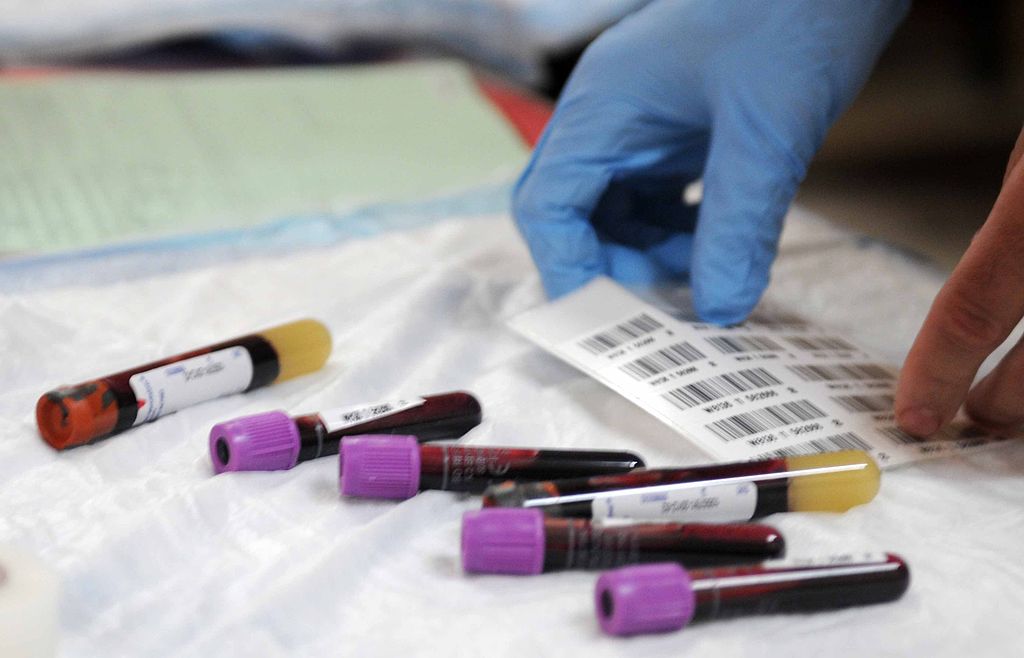
The alcohol content in your blood, or blood alcohol concentration (BAC), can affect your body in numerous ways. A higher BAC can impair your cognitive functions and physical coordination. When it comes to blood properties, higher BAC levels can temporarily thin your blood, reducing its ability to clot. While this might sound beneficial in preventing clots, it can also pose serious risks, such as increased bleeding during injuries or surgeries.
Moreover, chronic heavy drinking can lead to long-term health problems, including liver disease. The liver is crucial for producing proteins necessary for blood clotting; thus, liver damage can severely impair blood clotting mechanisms, leading to an increased risk of bleeding.
The Dark Side of Excessive Alcohol Consumption
While moderate consumption might have some benefits related to blood thinning, excessive drinking can be detrimental to your health. Beyond the immediate effects on blood clotting, long-term heavy use can lead to a host of health problems, including liver disease, heart disease, certain types of cancer, and brain damage.
Excessive alcohol consumption can also have a paradoxical effect on the cardiovascular system. While moderate amounts may protect against some heart and blood vessel diseases, too much can increase your blood pressure and the risk of heart disease.
Making Informed Choices About Alcohol
Understanding the effects on your body is crucial to making informed choices about consumption. If you’re considering alcohol as a way to manage health conditions or risks, it’s vital to consult with healthcare professionals rather than self-medicating. For those with a history of heavy drinking or dependency, seeking support and treatment is a critical step toward health. Those in need of an anticoagulant drug should seek the care of a doctor.
Live Out Your Best Future with Swift River
At Swift River, we understand the challenges and complexities of managing alcohol consumption for a healthier life. If you’re looking for support for an alcohol dependency, we’re here to help. Live out your best future with the support and guidance of Swift River. Explore our resources and services at Swift River or call us at 413-570-9698 to learn more about how we can support your journey to wellness.