





Inhalant abuse, a dangerous and often overlooked form of substance misuse, continues to pose significant health risks, particularly among adolescents and young adults. This comprehensive overview examines the types of inhalants commonly abused, current trends, associated health risks, and effective prevention strategies.
Types of Inhalants
Inhalants fall into several categories:
- Volatile solvents: Paint thinners, gasoline, glues
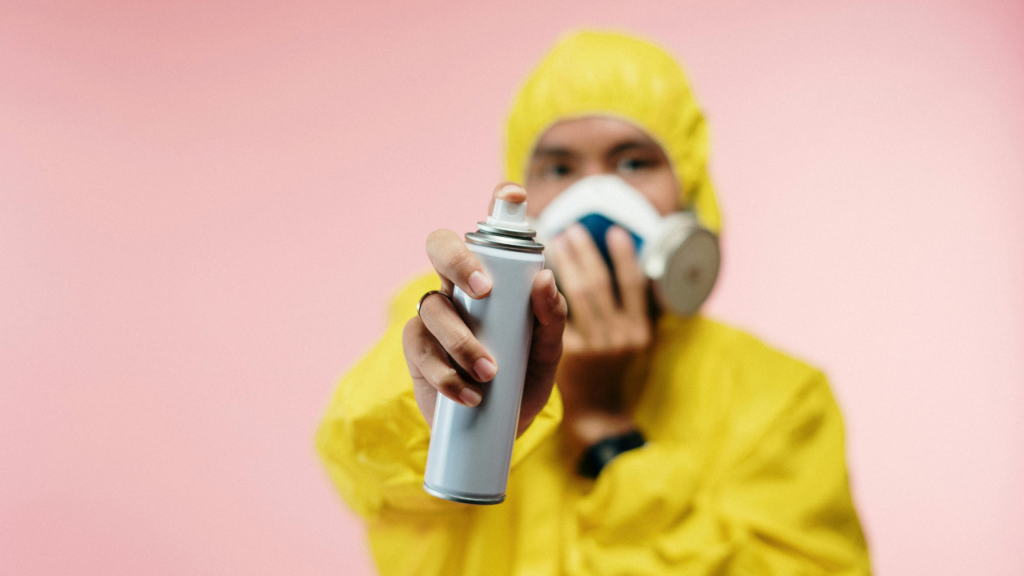
- Aerosols: Spray paints, hair sprays, deodorant sprays
- Gases: Nitrous oxide, butane lighters, propane tanks
- Nitrites: Video head cleaners, room odorizers
These everyday household and commercial products become dangerous when intentionally inhaled for their mind-altering effects.
Trends in Inhalant Abuse
While overall inhalant use has declined in recent years, it remains a persistent problem, especially among younger populations. The Monitoring the Future survey reports that approximately 3.6% of 8th graders have used inhalants in their lifetime. Ease of access and a misconception of safety contribute to their continued abuse.
Health Risks of Inhalant Use
Short-term Effects
Immediate effects of inhalant use can include:
- Dizziness and disorientation
- Slurred speech
- Lack of coordination
- Hallucinations
- Nausea and vomiting

Long-term Consequences
Prolonged inhalant abuse can lead to severe health problems:
- Liver and kidney damage
- Hearing loss
- Bone marrow damage
- Brain damage affecting cognitive function and memory
- Increased risk of sudden death due to cardiac arrest or asphyxiation
Psychological and Social Impacts
Inhalant abuse can significantly affect mental health and social functioning. Users may experience:
- Increased anxiety and depression
- Cognitive impairments affecting school or work performance
- Strained relationships with family and friends
- Social isolation
Prevention Strategies
Effective prevention of inhalant abuse requires a multifaceted approach:
Education
Implement comprehensive education programs in schools and communities to raise awareness about the dangers of inhalant abuse.
Community Awareness
Engage local organizations, businesses, and media to spread information about the risks of inhalants and how to recognize abuse.
Proper Storage
Encourage proper storage and monitoring of household products that could be abused as inhalants.
Treatment Challenges and Swift River’s Approach
Treating inhalant addiction presents unique challenges due to the diverse nature of substances abused and the potential for severe neurological damage. Swift River’s comprehensive treatment programs address these challenges through:
- Personalized medical detoxification
- Cognitive rehabilitation therapies
- Dual diagnosis treatment for co-occurring mental health issues
- Family therapy to rebuild support systems
- Long-term aftercare planning
Recognizing Signs of Inhalant Abuse
Be alert to these potential indicators of inhalant abuse:
- Chemical odors on breath or clothing
- Paint or other stains on face, hands, or clothes
- Hidden empty spray paint or solvent containers
- Dazed or disoriented appearance
- Nausea or loss of appetite
- Rashes around the mouth or nose
The Importance of Early Intervention
Early recognition and intervention are crucial in preventing the severe health consequences of inhalant abuse. If you suspect someone is abusing inhalants, seek professional help immediately.
Swift River offers comprehensive treatment programs designed to address the unique challenges of inhalant addiction. Our experienced team provides personalized care to support recovery and long-term health.
Don’t wait to get help. Call Swift River today at 413-570-9698 to learn more about our inhalant abuse treatment programs and start the journey to recovery.