





Addiction recovery isn’t just about willpower — it’s a complex neurological journey of healing and rewiring the brain. Research shows the brain demonstrates remarkable resilience when given proper support during treatment. Understanding the neuroscience behind recovery can provide hope and motivation for those facing the challenging path to sobriety.
How Addiction Changes the Brain
Substance use disorders fundamentally alter brain structure and function. These changes explain why quitting through sheer determination often proves insufficient.
According to the National Institute on Drug Abuse, the brain becomes rewired to prioritize drug-seeking behavior above all else. This neurological change explains why addiction is classified as a brain disorder rather than simply a behavioral problem.
Key neurological changes include:
- Hijacked reward pathways: Drugs flood the brain with dopamine, creating pleasure sensations 2-10 times stronger than natural rewards. Over time, the brain reduces dopamine receptors, making everyday pleasures feel less satisfying while creating intense cravings for substances.
- Compromised prefrontal cortex: This region governs decision-making, impulse control, and foresight. Substance use weakens this area, explaining why users make choices that contradict their long-term interests.
- Stress system dysregulation: Addiction creates abnormal stress responses, producing anxiety, irritability, and discomfort when substances are withdrawn — driving continued use to avoid these feelings.
- Conditioned memory formation: The brain forms powerful associations between substances and environmental cues, triggering automatic cravings when encountering places, people, or emotions connected to previous use.
The Timeline of Brain Healing in Recovery
Recovery involves a predictable — though individually variable — timeline of brain healing:
Acute Withdrawal (Days 1-14)
During the first two weeks of abstinence, the brain experiences turbulence as it adjusts to functioning without substances. Physical symptoms peak as neurotransmitter systems attempt to regain balance.
The Protracted Withdrawal Phase (Weeks 2-8)
As acute physical symptoms subside, many experience emotional and cognitive challenges including mood swings, sleep disruption, and difficulty concentrating. These symptoms result from the brain recalibrating dopamine, glutamate, and GABA systems.
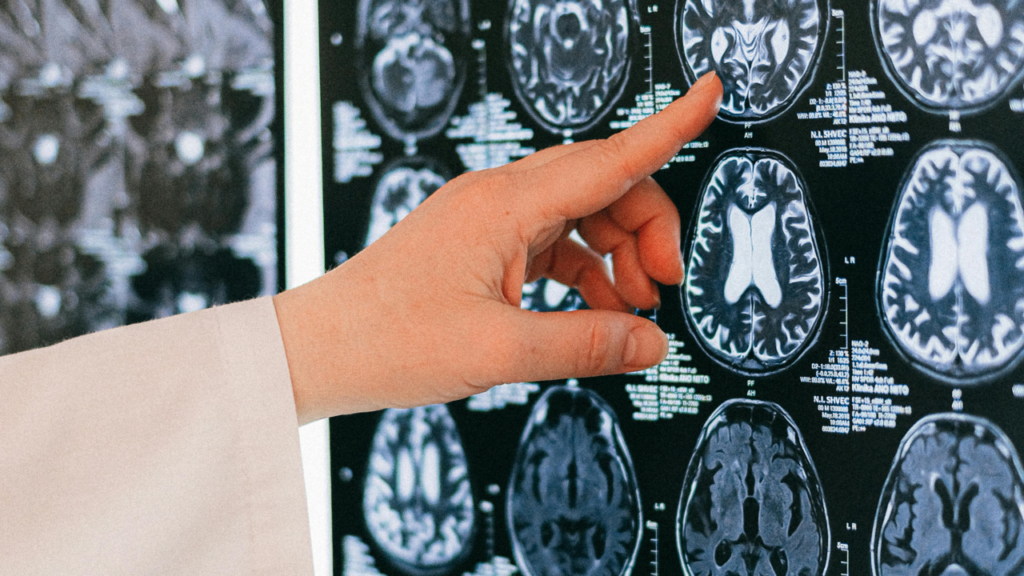
During this phase, brain scans show increased activity in regions previously suppressed by substances. This reawakening can feel uncomfortable but represents critical neural recovery.
Early Recovery (Months 2-12)
Around the two-month mark, brain fog typically begins lifting as cognitive functions improve. PET scans reveal increased metabolic activity in the prefrontal cortex, corresponding with better decision-making and reduced impulsivity.
Long-Term Recovery (1+ Years)
By the one-year milestone, significant brain healing has occurred. Research shows:
- Dopamine receptor density increases by approximately 15-20%
- Prefrontal cortex thickness improves by up to 5%
- White matter integrity shows measurable restoration
- Stress response systems demonstrate improved regulation
How Treatment Approaches Promote Neurological Healing
Different treatment modalities target specific aspects of brain recovery:
Medication-Assisted Treatment (MAT)
Medications like buprenorphine, methadone, and naltrexone work directly on brain receptors to:
- Normalize brain chemistry without producing a high
- Reduce cravings by partially satisfying receptor needs
- Allow the brain to heal without the extreme stress of untreated withdrawal
- Protect against overdose by blocking opioid receptors
Cognitive Behavioral Therapy (CBT)
CBT doesn’t just change thinking patterns — it physically reshapes neural pathways through:
- Creating new connections between thoughts, feelings and behaviors
- Strengthening prefrontal cortex function through repeated practice of response inhibition
- Weakening conditioned associations between triggers and cravings
- Building new stress-management neural networks
Mindfulness Practices
Meditation and mindfulness techniques produce documented neurological benefits including:
- Increased gray matter density in brain regions controlling attention
- Reduced activity in the default mode network associated with craving
- Improved connectivity between brain regions that regulate emotions
- Enhanced activity in areas responsible for self-awareness
Physical Exercise
Regular physical activity accelerates brain recovery through:
- Promoting growth of new neurons via increased BDNF (brain-derived neurotrophic factor)
- Boosting natural dopamine production, reducing anhedonia
- Improving sleep architecture, supporting memory consolidation
- Reducing inflammation associated with drug-induced brain damage
Nutrition and Neurological Recovery
Proper nutrition plays a crucial role in brain healing, yet is often overlooked in recovery programs. Substance use depletes essential nutrients critical for brain function while damaging the gut-brain axis.
Key nutritional approaches for brain recovery include:
- Omega-3 fatty acids to repair neuronal membranes and reduce inflammation
- B-complex vitamins for neurotransmitter synthesis
- Amino acid precursors to support dopamine production
- Antioxidants to combat oxidative stress from substance use
Sleep’s Critical Role in Brain Restoration
Sleep disturbance affects up to 80% of people in early recovery and significantly impacts brain healing. During sleep, the brain:
- Clears neurotoxic waste through the glymphatic system
- Consolidates new learning and behavioral changes
- Restores neurotransmitter balance
- Processes emotional experiences
Research from the Harvard Medical School indicates that sleep isn’t passive rest for the recovering brain — it’s an active period of neurological repair and integration of new learning.
The Neuroscience of Relapse and Resilience
Understanding relapse from a brain perspective removes shame and provides valuable insights for prevention:
- Relapse risk correlates with measurable deficits in prefrontal function
- Stress exposure can temporarily “hijack” recovering brain circuits
- Environmental cues activate memory patterns established during active use
- Sleep disruption significantly increases vulnerability by impairing prefrontal control
Why Understanding the Neuroscience Matters for Motivation
Knowledge of brain recovery provides hope and persistence during difficult phases:
- Recognizing symptoms as temporary healing processes rather than permanent damage
- Understanding that cravings result from measurable brain changes, not personal weakness
- Appreciating that each day of sobriety advances neurological healing
- Recognizing that recovery skills actively build new, healthier neural pathways
Conclusion: Your Brain’s Remarkable Capacity for Healing
The neurological damage of addiction is serious but reversible. With proper treatment, support, and time, the brain demonstrates extraordinary resilience and capacity for recovery.
Understanding the neuroscience of recovery reveals that healing isn’t simply about abstinence — it’s about creating the conditions that allow the brain to rebuild itself. This knowledge transforms recovery from a test of willpower into a journey of neurological healing and growth.
If you or someone you love is struggling with addiction, Swift River’s evidence-based, neuroscience-informed approach can help guide your brain’s healing journey. Call us today to speak with our experienced team about beginning the path to recovery.