





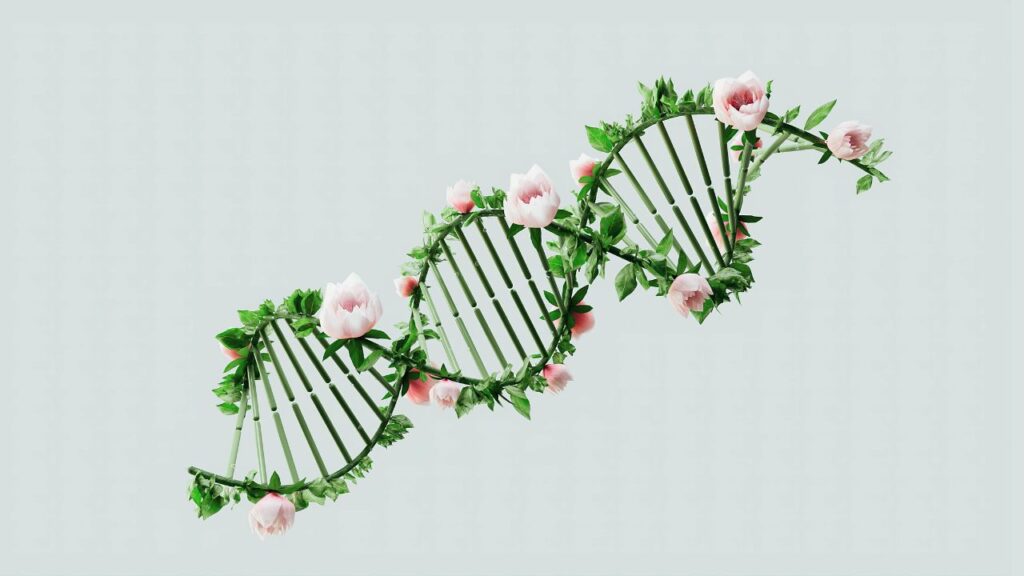
Addiction is a complex disorder influenced by a myriad of factors, including genetics. As researchers learn more about the human genome, they uncover intricate connections between our genetic makeup and susceptibility to substance use disorders. This article explores the hereditary aspects of addiction, shedding light on how genes can play a role in an individual’s risk for developing addictive behaviors.
The Genetic Factors Behind Addiction
Scientists have identified several genes that may increase an individual’s vulnerability to addiction. These genes often relate to the brain’s reward system, impulsivity control, and stress response mechanisms. Some key genetic factors include:
- Dopamine Receptor Genes: Variations in genes like DRD2 and DRD4, which code for dopamine receptors, can affect how the brain processes pleasure and reward.
- Serotonin Transporter Gene (SLC6A4): Alterations in this gene can influence mood regulation and stress response, potentially increasing addiction risk.
- GABA Receptor Genes: Mutations in genes coding for GABA receptors may affect impulse control and anxiety levels, contributing to addiction susceptibility.
- Mu-Opioid Receptor Gene (OPRM1): Variations in this gene can alter an individual’s response to opioids, potentially increasing the risk of opioid addiction.
Gene-Environment Interactions: A Complex Interplay
While genetic factors play a significant role, they don’t operate in isolation. The concept of gene-environment interactions is crucial in understanding addiction risk. Environmental factors such as stress, trauma, peer influence, and drug availability can interact with genetic predispositions to either increase or decrease the likelihood of developing an addiction.
For example, an individual with a genetic vulnerability to addiction might never develop a substance use disorder if they grow up in a supportive environment with limited access to drugs. Conversely, someone without a strong genetic predisposition might still develop an addiction if exposed to severe stress or trauma.
Debunking Myths: Genetics Is Not Destiny
It’s essential to address common misconceptions about genetic predisposition to addiction:
- Myth: If addiction runs in your family, you’re destined to become addicted.
- Reality: While family history increases risk, it doesn’t guarantee addiction. Many people with a family history of addiction never develop substance use disorders.
- Myth: Genetics is the sole determining factor in addiction.
- Reality: Addiction is multifaceted, involving genetic, environmental, and personal factors. Genetics is just one piece of the puzzle.
Swift River’s Personalized Approach to Treatment
At Swift River, we recognize the complex interplay between genetics, environment, and personal experiences in addiction. Our comprehensive treatment approach takes into account:
- Family history
- Environmental influences and personal experiences
- Co-occurring mental health conditions
- Personal strengths and support systems
By considering all these factors, we create tailored treatment plans that address each client’s unique needs and circumstances. Our evidence-based therapies, combined with a deep understanding of addiction’s genetic components, provide a solid foundation for lasting recovery.
Moving Forward: Empowered by Knowledge
Understanding the genetic aspects of addiction empowers individuals to make informed decisions about their health and well-being. While we can’t change our genetic makeup, we can use this knowledge to implement preventive strategies, seek early intervention, and develop personalized treatment plans.
If you or a loved one is struggling with addiction, remember that help is available. Swift River’s experienced team is ready to provide compassionate, science-based care that considers your unique genetic and environmental factors.
Take the first step towards recovery today. Call Swift River at 413-570-9698 to learn more about our personalized addiction treatment programs.