




Baclofen, a medication primarily used to treat muscle spasticity, has gained attention in recent years for its potential to treat alcohol use disorder. However, as with many medications, there are concerns about its addictive potential. In this article, we will explore the risks associated with baclofen use, the reasons why some individuals may abuse the drug, and the warning signs of baclofen addiction. We will also discuss how Swift River’s evidence-based treatment programs can help those struggling with baclofen addiction achieve lasting recovery.
Understanding Baclofen
Baclofen is a gamma-aminobutyric acid (GABA) agonist that works by reducing the activity of nerve cells in the spinal cord, leading to muscle relaxation. It is commonly prescribed to treat muscle spasticity caused by conditions such as multiple sclerosis, spinal cord injuries, and cerebral palsy. In recent years, baclofen has also been studied as a potential treatment for alcohol use disorder due to its ability to reduce cravings and withdrawal symptoms.
Mechanism of Action
Baclofen works by activating GABA receptors in the brain and spinal cord. GABA is a neurotransmitter that inhibits or reduces nerve cell activity, leading to a calming effect on the body. By stimulating these receptors, baclofen helps to relax muscles and reduce spasticity. Additionally, baclofen’s effects on GABA receptors in the brain may help to reduce cravings and withdrawal symptoms associated with alcohol use disorder.
The Addictive Potential of Baclofen
While baclofen is generally considered safe when used as prescribed, it does have the potential for abuse and addiction. Baclofen can produce feelings of relaxation and euphoria, which may lead some individuals to misuse the medication. Those with a history of substance abuse or mental health disorders may be at a higher risk of developing a baclofen addiction.
Reasons for Baclofen Abuse
There are several reasons why an individual may abuse baclofen:
- Seeking a “high”: Some people may take higher doses of baclofen to experience its euphoric effects.
- Self-medicating: Individuals struggling with untreated mental health conditions, such as anxiety or depression, may use baclofen to alleviate their symptoms.
- Coping with stress: Some may turn to baclofen as a way to cope with life stressors and emotional pain.
- Combining with other substances: Baclofen may be abused in combination with other drugs or alcohol to intensify their effects.
Warning Signs of Baclofen Addiction
It is essential to be aware of the warning signs of baclofen addiction, which may include:
- Taking higher doses than prescribed or for longer periods than recommended
- Experiencing cravings or a strong desire to use baclofen
- Neglecting responsibilities at work, school, or home due to baclofen use
- Continuing to use baclofen despite negative consequences
- Engaging in risky behaviors while under the influence of baclofen
- Developing tolerance, requiring higher doses to achieve the desired effects
- Experiencing withdrawal symptoms when attempting to reduce or stop baclofen use
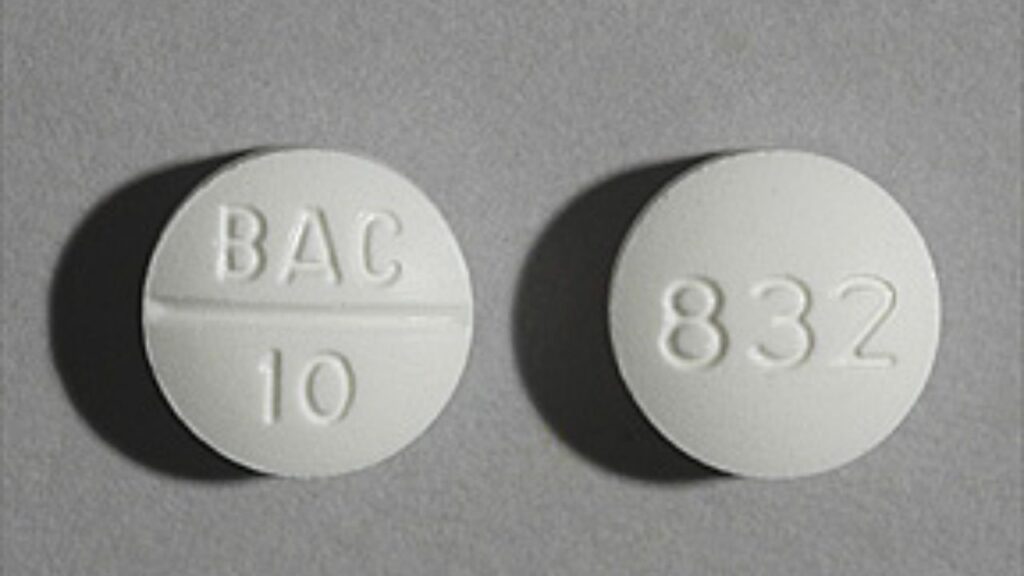
Risks and Side Effects of Baclofen Abuse
Abusing baclofen can lead to various adverse effects on physical and mental health. Some of the risks and side effects associated with baclofen abuse include:
- Drowsiness and sedation
- Dizziness and confusion
- Nausea and vomiting
- Muscle weakness
- Respiratory depression
- Seizures
- Hallucinations and psychosis
- Overdose, which can be life-threatening
Long-term abuse of baclofen can also lead to the development of physical dependence and withdrawal symptoms when attempting to quit or reduce use. Withdrawal symptoms may include anxiety, insomnia, tremors, and hallucinations.
Treatment for Addiction at Swift River
At Swift River, we understand the complexities of baclofen addiction and offer comprehensive, evidence-based treatment programs to help individuals achieve lasting recovery. Our experienced team of addiction specialists provides a compassionate and supportive environment where clients can safely address the underlying causes of their addiction and develop the skills necessary for long-term sobriety.
Our treatment approach includes:
- Medically supervised detox to manage withdrawal symptoms
- Individual and group therapy sessions
- Cognitive-behavioral therapy (CBT) to identify and change negative thought patterns and behaviors
- Dialectical behavior therapy (DBT) to develop coping skills and improve emotional regulation
- Medication-assisted treatment (MAT) when appropriate
- Family therapy to rebuild relationships and create a support system
- Holistic therapies such as yoga, meditation, and art therapy to promote overall well-being
- Aftercare planning to ensure a smooth transition back into daily life
Importance of Seeking Professional Help
Overcoming baclofen addiction can be challenging, but with the right support and treatment, lasting recovery is possible. It is crucial to seek professional help from a reputable addiction treatment center like Swift River, where a team of experienced professionals can provide the necessary guidance and support throughout the recovery journey.
If you or a loved one is struggling with baclofen addiction, know that help is available. Contact Swift River today at 413-570-9698 to learn more about our specialized treatment programs and take the first step towards a life free from addiction. Remember, recovery is possible, and you don’t have to face this challenge alone.