





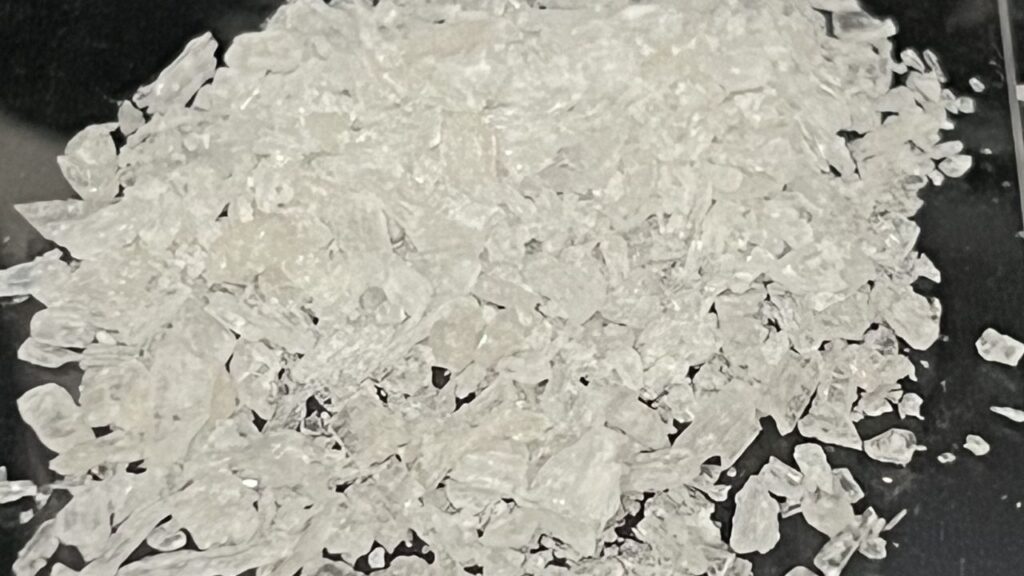
Methamphetamine, commonly known as crystal meth, is a highly addictive stimulant drug that can have devastating effects on a person’s physical and mental health. Meth addiction is notoriously difficult to treat, but recovery is possible with the right treatment approach. At Swift River, our addiction treatment programs are designed to help patients break free from the grip of meth and build the foundation for a sober future.
The Challenges of Treating Meth Addiction
Meth is one of the hardest drug addictions to treat for several reasons:
- Meth has an intense euphoric effect and cravings can persist long after quitting use.
- Meth wreaks havoc on the brain’s dopamine system, making it difficult to feel pleasure without the drug.
- Meth is neurotoxic and can cause lasting cognitive impairment that hampers recovery.
- Severe meth addictions often co-occur with mental health disorders that need to be addressed.
- The meth withdrawal process can involve depression, anxiety, fatigue and strong cravings.
The effects of long-term meth use on the brain can be profound. Chronic meth use depletes the brain’s dopamine reserves, leading to anhedonia (the inability to feel pleasure) and intense cravings. Meth can also cause damage to the brain’s structure and function, leading to problems with memory, attention, decision-making and impulse control. These cognitive impairments can make it harder for meth users to engage in treatment and maintain sobriety.
Additionally, many people with severe meth addictions also struggle with co-occurring mental health disorders such as depression, anxiety, PTSD or personality disorders. Untreated mental illness can be a significant barrier to recovery, as the symptoms can trigger meth use and make it harder to stay sober. Effective meth addiction treatment must address both the substance use disorder and any co-occurring mental health conditions.
However, while treating meth addiction is challenging, a comprehensive treatment program and strong support system make recovery achievable. With the right help, those struggling with meth can get sober and repair the damage the addiction has caused.
Effective Treatment for Meth Addiction
Research indicates that a multifaceted treatment approach is most effective for meth addiction. Key components include:
- Detox with 24/7 medical supervision to ensure safety and comfort during meth withdrawal
- Behavioral therapy, especially cognitive-behavioral therapy (CBT) and contingency management
- Treatment of any co-occurring mental health disorders such as depression or anxiety
- Development of relapse prevention skills and a robust sober support system
- Ongoing care and support after completion of a treatment program
Behavioral therapies are the cornerstone of meth addiction treatment. CBT helps patients identify and change the thought patterns and behaviors that contribute to meth use. Patients learn coping skills for managing cravings, handling triggers, and dealing with stress and other challenging emotions without turning to meth.
Contingency management is another evidence-based treatment for meth addiction. This approach uses rewards to reinforce positive behaviors such as attending therapy sessions and passing drug tests. Studies show that contingency management can help meth users stay engaged in treatment and achieve abstinence.
Medication is not currently the primary treatment for meth addiction, though some medicines may help with specific symptoms or co-occurring disorders. Antidepressants, for example, may be prescribed to treat depression that often accompanies meth addiction. Research is ongoing into medications that may help reduce meth cravings or block its effects.
How Swift River Can Help You Recover
At Swift River, we understand the unique challenges of meth addiction. Our addiction treatment center provides a serene and supportive environment for healing in the Berkshire Mountains of Western Massachusetts. We offer a full continuum of care, from detox to residential treatment to sober living and aftercare planning.
Our meth addiction treatment program includes:
- Medically supervised detox with 24/7 care
- Evidence-based therapies like CBT, dialectical behavior therapy (DBT), and EMDR trauma therapy
- Treatment of co-occurring mental health disorders
- Relapse prevention planning and life skills development
- Holistic wellness practices like yoga, meditation and art therapy
- Strong focus on building sober social support systems
- Detailed aftercare planning for a smooth transition out of treatment
In our residential program, patients live on-site at our treatment center, allowing them to focus exclusively on their recovery without the stresses and triggers of daily life. We provide a structured daily schedule of individual and group therapy sessions, educational classes, and recreational activities.
Our experienced clinical team includes masters-level therapists, medical professionals, and addiction specialists who are dedicated to helping each patient heal from meth addiction. We limit our census to ensure that each patient receives highly individualized care and support throughout their stay.
If you or a loved one is struggling with meth addiction, reach out for help now. At Swift River, we will create a personalized treatment plan to help you stop using meth, address underlying issues, and build a fulfilling sober life. Call us today at 413-570-9698 to learn more about our meth addiction treatment programs. Recovery is challenging, but with our support, it is possible.