



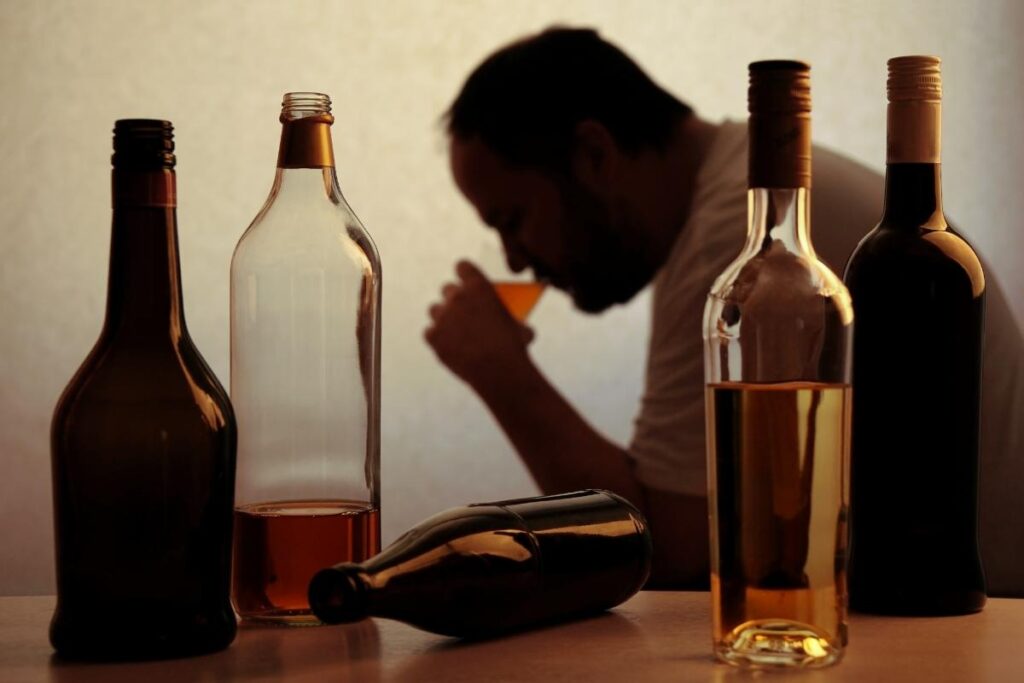
Alcohol abuse is a common problem in the United States. According to the 2018 National Survey on Drug Abuse and Health (NSDUH), nearly 15 million people aged 12 and older have an alcohol use disorder. Alcohol use disorder is a mental disease marked by a person’s loss of control over alcohol use despite negative effects on their life and health. People who abuse alcohol are at risk of developing an alcohol addiction that requires formal treatment.
If you or a loved one are in need of alcohol abuse treatment, don’t hesitate to reach out to us at 413.570.9698.
What Is Alcohol Abuse?
Alcohol abuse is drinking too much too often. Moderate drinking is defined as two drinks per day for men and one for women. The Centers for Disease Control and Prevention (CDC) consider any alcohol consumption beyond this to be abuse. There are two main ways that people abuse alcohol: binge drinking and heavy drinking. Binge drinking is consuming several drinks simultaneously (five or more for a man, four or more for a woman). Heavy drinking is consuming more than a moderate amount of alcohol in a week. Repeated binge drinking is also considered heavy drinking. Underage drinking, mixing alcohol with medication, and drinking while pregnant are also considered to be alcohol use.
How Many People Abuse Alcohol?
The NSDUH reports that 67.1 million people aged 12 and older binge drink in the U.S., while 16.6 million drink heavily. In this case, heavy drinking is defined as five or more binge drinking occasions in a month. The percentage of people who abuse alcohol varies significantly by age group:
- 12- to 17-year-olds: 4.7 percent binge drink, and 0.5 percent drink heavily
- 18- to 26-year-olds: 35 percent binge drink, and nine percent drink heavily
- 26 and older: 25 percent binge drink, and 6.2 percent drink heavily
Unfortunately, only 6.5 percent of adults and 5.2 percent of adolescents who suffer from alcohol use disorders receive treatment. Many people are reluctant to seek help because of cost, social stigma, or the belief that they can overcome addiction on their own. Untreated alcohol abuse leads to around 88,000 deaths in the U.S. each year. In 2014, alcohol intoxication caused 31 percent of traffic fatalities. Other alcohol-related deaths result from falls, alcohol poisoning, and health problems.
Why Do People Abuse Alcohol?
Alcohol is a central nervous system depressant. It slows brain activity, which signals the rest of the body to relax. If someone is feeling agitated or stressed, alcohol may calm them down. People abuse alcohol for many reasons, such as:
- to cope with stress
- to deal with past trauma
- to relieve mental health issues, such as anxiety or depression
- because they have a family history of alcohol use and addiction
- in response to peer pressure (especially in adolescence or young adulthood)
In many cases, alcohol addiction begins with occasional alcohol use. Some individuals gradually increase their alcohol consumption until it becomes a problem. The more they drink, the less they feel the effects of alcohol because their body develops a tolerance to it. This leads many people to drink even more.
Signs Of Alcohol Abuse
If someone abuses alcohol, they may try to hide their drinking from their loved ones, but there are many ways to tell if they are drinking too much. Someone may be abusing alcohol if they:
- drink at inappropriate times, such as in the morning or at work
- smell like alcohol but claim they didn’t drink
- promise to cut back or stop drinking but can’t
- spend excessive money on alcohol
- experience alcohol withdrawal symptoms
- have a high tolerance for alcohol
Alcohol abuse can take a toll on a person’s mental and physical health. It can increase anxiety and depression, two conditions that someone may start drinking to avoid. It may also lead to heart problems, liver disease, cancer, and a host of other health issues. Alcohol is an addictive substance. The more a person uses it, the more likely they are to develop an alcohol use disorder. People who start drinking at a young age—such as during adolescence—have the highest risk of becoming addicted to it. Addiction is a serious mental disease that can consume a person. Seeking treatment for alcohol abuse and addiction before it gets to this point may save someone’s life.
Alcohol Addiction Treatment Options at Swift River
Treatment for alcohol addiction usually starts with alcohol detox and rehabilitation. A medically supervised detox program provides a safe environment and access to medical care during the alcohol withdrawal process. Once the body is cleared of alcohol, addiction treatment can begin. At Swift River, we offer personalized treatment plans and a holistic approach that heals the mind, body, and spirit. This may involve treatment for co-occurring mental disorders, as alcohol addiction often causes or results from other psychological issues. Our evidence-based care includes cognitive-behavioral therapy (CBT), dialectical behavior therapy (DBT), and motivational interviewing. These techniques help people discover how their thoughts affect their behavior and empower them to make healthier choices. Contact us today at 413.570.9698 to learn how we can help you or your loved one.