




Cognitive Behavioral Therapy (CBT) has emerged as a cornerstone in the treatment of addiction, offering a powerful approach to rewiring the brain and breaking the cycle of substance use. At Swift River, we integrate CBT into our comprehensive addiction treatment programs, providing our clients with evidence-based tools for lasting recovery.
Understanding Cognitive Behavioral Therapy
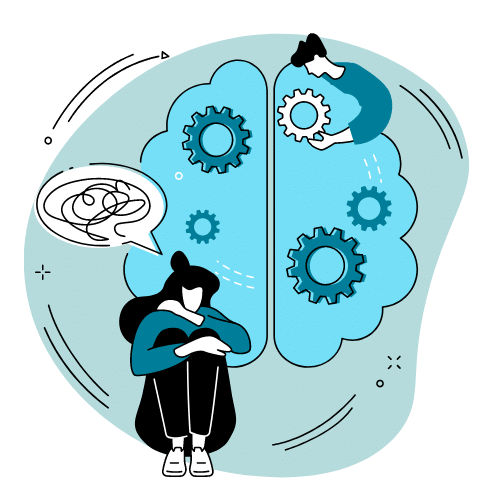
CBT is a form of psychotherapy that focuses on the interconnection between thoughts, feelings, and behaviors. The core principle of CBT is that our thoughts significantly influence our emotions and actions. By identifying and modifying maladaptive thought patterns, individuals can change their behaviors and emotional responses.
The CBT Model in Addiction Treatment
In the context of addiction treatment, CBT helps individuals recognize and modify the thoughts and behaviors that contribute to substance use. The therapy typically involves:
- Identifying triggers and high-risk situations
- Developing coping strategies
- Challenging and reframing negative thought patterns
- Building problem-solving skills
- Enhancing self-efficacy and motivation for change
Specific CBT Techniques in Addiction Treatment
Cognitive Restructuring
This technique involves identifying and challenging cognitive distortions or irrational thoughts that contribute to substance use. Common distortions include:
- All-or-nothing thinking
- Overgeneralization
- Catastrophizing
- Personalization
By recognizing these patterns, individuals can learn to replace them with more balanced, realistic thoughts.
Behavioral Activation
This approach encourages individuals to engage in positive, rewarding activities that don’t involve substance use. It helps combat the loss of pleasure often experienced in early recovery and provides healthy alternatives to drug or alcohol use.
Skills Training
CBT in addiction treatment often includes teaching specific skills such as:
- Stress management techniques
- Assertiveness training
- Relaxation strategies
- Time management skills
Relapse Prevention Planning
A crucial component of CBT in addiction treatment is developing a comprehensive relapse prevention plan. This involves:
- Identifying personal triggers and high-risk situations
- Developing coping strategies for each identified risk
- Creating a support network
- Establishing a plan for managing cravings
The Evidence Base for CBT in Addiction Treatment
Numerous studies have demonstrated the effectiveness of CBT in treating various types of addiction. Research shows that CBT can:
- Reduce the frequency and intensity of substance use
- Improve treatment retention rates
- Enhance overall mental health and well-being
- Provide skills that continue to be effective long after treatment ends
CBT at Swift River
At Swift River, we integrate CBT into our comprehensive treatment programs, tailoring the approach to each client’s unique needs. Our trained therapists work closely with clients to:
- Identify and challenge maladaptive thought patterns
- Develop personalized coping strategies
- Practice new skills in a supportive environment
- Create comprehensive relapse prevention plans

Cognitive Behavioral Therapy Exercises and Homework
CBT is an active form of therapy that often includes exercises and homework to reinforce skills learned in sessions. Some common CBT exercises used in addiction treatment include:
Thought Records
Clients keep a log of triggering situations, associated thoughts, emotions, and behaviors. This helps identify patterns and provides opportunities for cognitive restructuring.
Behavioral Experiments
Clients test out new behaviors or coping strategies in real-world situations, then reflect on the outcomes.
Guided Discovery
Through a series of questions, clients are guided to examine their beliefs and assumptions, often leading to new insights and perspectives.
Long-Term Benefits of CBT Skills
One of the most significant advantages of CBT in addiction treatment is its focus on teaching skills that clients can continue to use long after formal treatment ends. These skills contribute to:
- Improved emotional regulation
- Enhanced problem-solving abilities
- Greater resilience in facing life’s challenges
- Reduced risk of relapse
- Overall improvement in mental health and quality of life
By learning to identify and challenge negative thought patterns, individuals in recovery can maintain a more balanced, realistic perspective, reducing the likelihood of returning to substance use as a coping mechanism.
Get Help Today
Cognitive Behavioral Therapy offers a powerful approach to rewiring the brain and breaking the cycle of addiction. By addressing the underlying thought patterns and behaviors that contribute to substance use, CBT provides individuals with practical, evidence-based tools for lasting recovery.
At Swift River, we’re committed to integrating CBT and other evidence-based therapies into our comprehensive addiction treatment programs. If you or a loved one is struggling with addiction, don’t hesitate to reach out. Call us today at 413-570-9698 to learn more about how our CBT-based approach can help you on your journey to recovery and a healthier, more fulfilling life.