
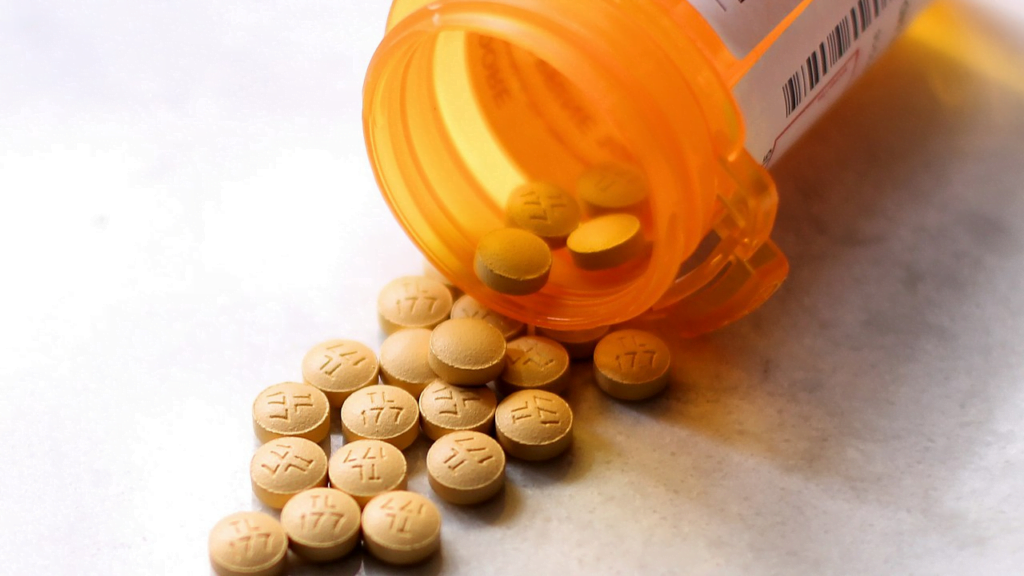
Muscle relaxers, also known as muscle relaxants, are medications prescribed to treat muscle spasms, pain, and stiffness. While they can be effective in managing these conditions, there is a growing concern about the potential for addiction. Swift River, a drug and alcohol addiction treatment center based in Western Massachusetts, is committed to educating the public about the risks associated with muscle relaxers and providing comprehensive treatment for those struggling with addiction.
What Are Muscle Relaxers?
Muscle relaxers are a class of drugs that work by blocking nerve impulses or reducing muscle contractions. They are typically prescribed for short-term use to alleviate muscle spasms caused by injuries, neurological disorders, or musculoskeletal conditions. Common muscle relaxers include:
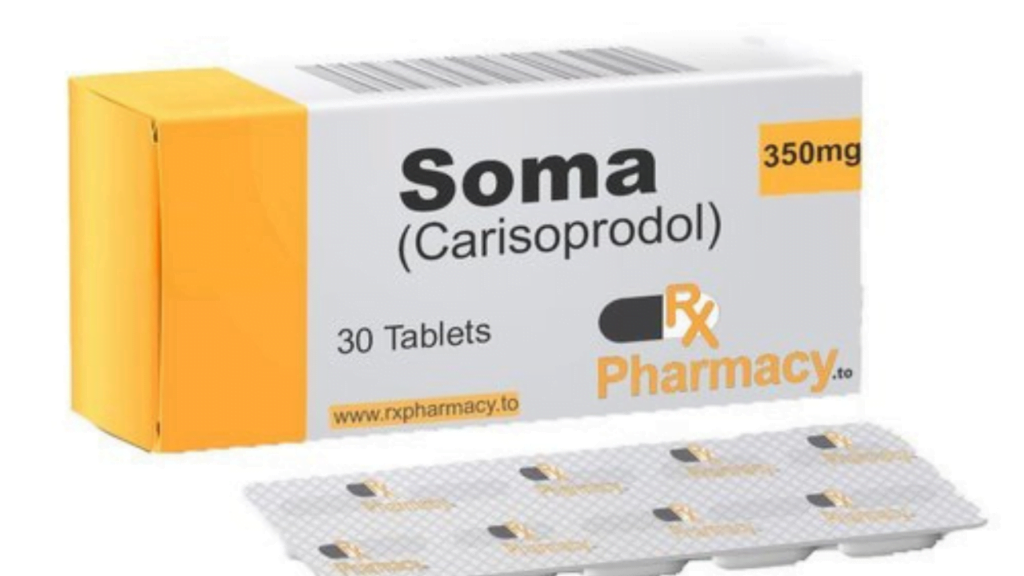
- Carisoprodol (Soma)
- Cyclobenzaprine (Flexeril)
- Metaxalone (Skelaxin)
- Methocarbamol (Robaxin)
- Tizanidine (Zanaflex)
These medications act on the central nervous system, specifically targeting the brain and spinal cord, to reduce muscle spasms and alleviate pain. Muscle relaxers can be classified into two main categories: antispasmodics and antispastics.
Antispasmodics, such as carisoprodol and cyclobenzaprine, work by reducing muscle spasms through their sedative effects on the central nervous system. Antispastics, like tizanidine and baclofen, act on specific receptors in the spinal cord to reduce muscle spasticity and tightness.
The Risk of Addiction
While muscle relaxers can be beneficial when used as directed, they also carry a risk of addiction. The addictive potential of muscle relaxers varies depending on the specific drug and the individual’s risk factors. Carisoprodol (Soma), for example, is known to have a higher potential for abuse and addiction compared to other muscle relaxers.
Several factors can contribute to the development of muscle relaxer addiction, including:
- Long-term use: Using muscle relaxers for an extended period, beyond the recommended duration, can lead to physical dependence and addiction.
- High doses: Taking muscle relaxers in higher doses than prescribed can increase the risk of addiction.
- Combining with other substances: Using muscle relaxers in combination with other drugs, such as opioids or alcohol, can enhance their effects and increase the risk of addiction and overdose.
- Personal or family history of substance abuse: Individuals with a personal or family history of substance abuse are more susceptible to developing an addiction to muscle relaxers.
Muscle relaxers can produce feelings of relaxation, euphoria, and sedation, which can be appealing to some individuals. As tolerance develops, people may begin to take higher doses or use the medication more frequently to achieve the desired effects, leading to a cycle of abuse and addiction.
Signs and Symptoms of Muscle Relaxer Addiction
Recognizing the signs and symptoms of muscle relaxer addiction is crucial for seeking timely treatment. Some common indicators might be:
- Taking muscle relaxers in higher doses or more frequently than prescribed
- Experiencing cravings or strong urges to use muscle relaxers
- Continuing to use muscle relaxers despite negative consequences
- Neglecting responsibilities at work, school, or home due to muscle relaxer use
- Engaging in risky behaviors while under the influence of muscle relaxers
- Experiencing withdrawal symptoms when attempting to stop or reduce muscle relaxer use
Health Risks Associated with Muscle Relaxer Abuse
Abusing muscle relaxers can lead to various health risks, both short-term and long-term. Some of the potential health consequences include:
- Drowsiness and dizziness: Muscle relaxers can cause excessive drowsiness and dizziness, impairing cognitive function and increasing the risk of accidents and injuries.
- Impaired breathing: High doses of muscle relaxers can depress respiratory function, leading to shallow breathing or even respiratory failure.
- Liver damage: Some muscle relaxers, particularly those metabolized by the liver, can cause liver damage when abused.
- Seizures: Abruptly stopping the use of muscle relaxers after prolonged abuse can trigger seizures.
- Overdose: Taking high doses of muscle relaxers or combining them with other substances can result in a potentially life-threatening overdose.
Treatment for Muscle Relaxer Addiction at Swift River
At Swift River, we understand the challenges faced by individuals struggling with muscle relaxer addiction. Our compassionate and experienced team of professionals is dedicated to providing evidence-based treatment tailored to each patient’s unique needs.
Our comprehensive addiction treatment program includes:
- Medical detoxification: Our medically supervised detox program helps patients safely and comfortably withdraw from muscle relaxers under the care of experienced healthcare professionals.
- Individualized treatment plans: We develop personalized treatment plans that address the physical, psychological, and emotional aspects of addiction, ensuring a holistic approach to recovery.
- Evidence-based therapies: Our treatment program incorporates a range of evidence-based therapies, such as cognitive-behavioral therapy (CBT) and dialectical behavior therapy (DBT), to help patients develop coping skills and maintain long-term sobriety.
- Dual diagnosis treatment: We provide comprehensive care for patients with co-occurring mental health disorders, addressing both the addiction and the underlying mental health issues simultaneously.
- Family involvement: We recognize the importance of family support in the recovery process and offer family therapy sessions to help rebuild relationships and foster a supportive environment.
- Aftercare planning: We work closely with patients to develop comprehensive aftercare plans that include ongoing support, relapse prevention strategies, and access to community resources.
Preventing Muscle Relaxer Addiction
Preventing muscle relaxer addiction starts with responsible use and awareness of the risks associated with these medications. Some strategies to prevent addiction include:
- Following prescription guidelines: Always take muscle relaxers as prescribed by a healthcare professional and never exceed the recommended dose or duration of use.
- Avoiding self-medication: Do not use muscle relaxers without a valid prescription or share them with others.
- Discussing risk factors with your doctor: Talk to your healthcare provider about any personal or family history of substance abuse before starting muscle relaxer treatment.
- Exploring alternative treatments: Consider non-pharmacological options for managing muscle pain and spasms, such as physical therapy, massage, or acupuncture.
- Seeking help early: If you suspect that you or a loved one is developing a dependence on muscle relaxers, seek professional help promptly to prevent the progression to addiction.
If you or a loved one is struggling with muscle relaxer addiction, know that help is available. Contact Swift River today at 413-570-9698 to learn more about our addiction treatment programs and take the first step towards a life free from addiction. Our compassionate and knowledgeable staff is ready to provide the support and guidance you need to overcome muscle relaxer addiction and achieve lasting recovery.