



The effects of alcohol on the body are well-documented, but have you ever wondered if alcohol has an impact on your eyes as well? Specifically, do your pupils change when you drink? In this blog, we’ll delve into the relationship between alcohol consumption and pupil dilation, shedding light on the science behind this phenomenon and its implications.
Understanding Pupil Dilation
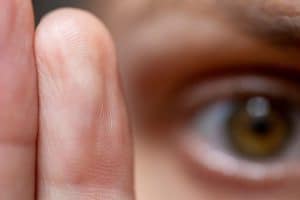
Pupils, the black circular openings in the center of your eyes, play a crucial role in regulating the amount of light that enters your eyes. When subjected to varying light conditions, the pupils adjust their size to control the amount of light that reaches the retina. This process is known as pupil dilation and constriction.
Alcohol’s Impact on Pupil Dilation
Yes, alcohol consumption can indeed impact pupil dilation. Alcohol is a central nervous system depressant, and it affects various parts of the brain, including those responsible for controlling the muscles that regulate pupil size.
Effects of Alcohol on Pupil Dilation:
-
- Initial Constriction: Upon consuming alcohol, there is often an initial constriction of the pupils. This is because alcohol affects the parasympathetic nervous system, which causes the pupils to become smaller. The initial constriction is a short-term response and is not the primary effect of alcohol on pupils.
-
- Subsequent Dilation: After the initial constriction, alcohol’s impact on the central nervous system leads to a relaxation of the muscles that control pupil size. This relaxation causes the pupils to dilate, or become larger. This effect can result in pupils that appear larger than usual, especially in dim lighting.
Factors Influencing Pupil Dilation
Several factors can influence the degree of pupil dilation when consuming alcohol:
-
- Amount of Alcohol: The amount of alcohol consumed can impact the degree of pupil dilation. Larger quantities of alcohol tend to result in more pronounced dilation.
-
- Individual Variability: People’s responses to alcohol can vary based on factors such as genetics, tolerance, and overall health. As a result, some individuals may experience more significant changes in pupil size than others.
-
- Environment and Lighting: Lighting conditions can also play a role. Pupils naturally dilate in dim lighting to allow more light to enter the eyes. Alcohol-induced dilation might be more noticeable in such conditions.
-
- Interactions with Medications: Alcohol can interact with certain medications, potentially exacerbating its impact on pupil dilation. It’s important to be aware of potential interactions if you’re taking prescription drugs.
-
- Health Conditions: Some health conditions, such as certain neurological disorders, can affect pupil size independently of alcohol consumption.
Temporary Nature of the Effect
It’s important to note that the changes in pupil dilation caused by alcohol are temporary and reversible. Once the effects of alcohol wear off, the pupils will return to their normal size. The extent and duration of the effect can vary based on the factors mentioned earlier.
In answer to the question, “Do your pupils change when you drink?”—yes, they do. Alcohol consumption can lead to a combination of initial constriction followed by dilation of the pupils due to its effects on the central nervous system. However, it’s crucial to understand that this effect is temporary and does not have lasting consequences.
While changes in pupil dilation might be interesting to observe, it’s important to remember that alcohol’s impact on pupils is just one aspect of its effects on the body. Responsible alcohol consumption and understanding how alcohol interacts with the central nervous system are key to ensuring your overall well-being. If you have concerns about the impact of alcohol on your health or are taking medications, it’s advisable to consult a healthcare professional for personalized guidance.