




Across Massachusetts, many families are feeling the impact of the opioid crisis. Prescription painkillers, heroin, and fentanyl have made overdose risk very real in communities from Boston and Worcester to Springfield and the Berkshires. If you or someone you love is physically dependent on opioids, a safe medical detox is often the first step toward recovery.
This guide explains how opioid detox works in Massachusetts, what to expect at a medical detox center like Swift River’s detox program, how long opioid withdrawal usually lasts, and how to connect with local resources and ongoing care. It is for general information only and does not replace medical advice from a licensed provider.
Understanding Opioid Detox In Massachusetts
Opioids are drugs that act on the brain’s opioid receptors to reduce pain. They include prescription medications such as oxycodone and hydrocodone, as well as heroin and synthetic opioids like fentanyl. Over time, regular use can change brain chemistry and cause physical dependence. When a person who is dependent cuts back or stops, withdrawal symptoms appear.
Opioid detox is the medically supervised process of clearing opioids from the body while managing withdrawal as safely and comfortably as possible. At a Massachusetts medical detox center, this process usually includes:
- 24/7 monitoring by nurses and other medical staff
- Medications to reduce opioid withdrawal symptoms and cravings when appropriate
- Supportive care such as hydration, nutrition, and rest
- Early counseling and planning for the next level of treatment
Detox alone does not treat the underlying opioid use disorder. It sets the stage for ongoing care, such as opioid addiction treatment in Massachusetts, residential rehab, and medication-assisted treatment.
Signs You May Need Opioid Detox
Not everyone who takes an opioid needs detox. However, medical detox is strongly recommended if you have developed physical dependence or have other risk factors. Some signs that opioid detox in Massachusetts may be appropriate include:
Signs of opioid dependence and addiction:
- You need higher doses of opioids to get the same effect.
- You feel sick, anxious, or restless when you miss a dose.
- You use opioids longer or in larger amounts than intended.
- You have tried to cut back but could not stay off opioids.
- Opioid use is affecting work, school, finances, or relationships.
Withdrawal symptoms when you stop or cut back:
- Muscle and bone aches, chills, and sweating
- Runny nose, yawning, watery eyes
- Stomach cramps, nausea, vomiting, or diarrhea
- Difficulty sleeping, anxiety, or irritability
- Fast heart rate or high blood pressure
You are more likely to need medical detox if you:
- Use heroin, fentanyl, or large doses of prescription opioids every day
- Use multiple substances such as benzodiazepines, alcohol, or stimulants
- Have a history of overdose or serious health conditions
- Have depression, PTSD, or other mental health concerns
- Do not have a stable, supportive place to withdraw at home
If you recognize yourself in these signs and you live anywhere in Massachusetts, from Boston and the North Shore to Western Massachusetts and the Pioneer Valley, you can reach out to Swift River’s team to discuss whether Massachusetts opioid detox is the right next step.

What To Expect From Opioid Detox At Swift River
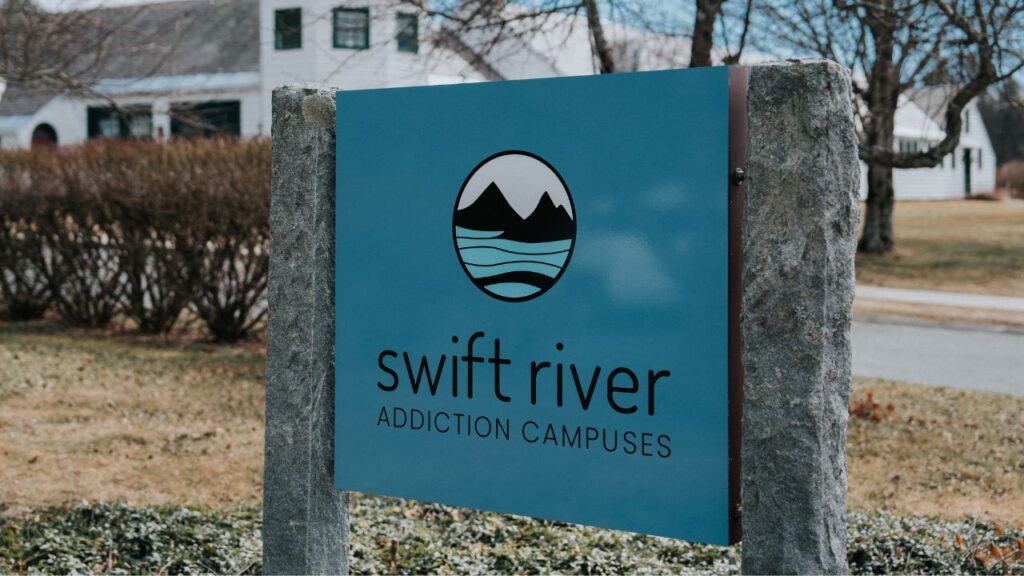
Swift River is a substance use treatment center located in Cummington, Massachusetts, on a wooded campus in the Berkshire Mountains. The detox and inpatient teams follow American Society of Addiction Medicine (ASAM) criteria to match each person with the most appropriate level of care and use evidence-based practices throughout treatment.
Intake And Medical Assessment
The process often starts before you arrive. When you contact Swift River, an admissions coordinator can review your insurance benefits, answer questions, and schedule admission. At check-in, the clinical team completes a full assessment that may include:
- Medical and mental health history
- Details about opioid use and other substances
- Current medications and allergies
- Vital signs and physical exam
This information helps the team create an individualized detox plan and determine whether you should step directly into the inpatient treatment program after detox.
24/7 Monitoring And Comfort Support
During opioid detox, withdrawal symptoms usually build over the first several days. At Swift River, registered nurses and licensed nurse practitioners monitor you around the clock. They check vital signs, watch for complications such as dehydration, and adjust your plan as symptoms change.
The staff focuses on both safety and comfort. Supportive care may include:
- Fluids and nutrition to prevent dehydration and weakness
- Non-opioid medications for pain, muscle cramps, nausea, or diarrhea
- Sleep and anxiety support when appropriate
- A calm, structured environment where you can rest
Between medical checks, you have time to sleep, attend groups when you feel up to it, and recover in a peaceful setting on Swift River’s expansive Berkshire campus.
Medications For Opioid Withdrawal
Based on your assessment and goals, the medical team may recommend medications to ease opioid withdrawal and help protect against relapse. As part of Swift River’s medication-assisted treatment program in Massachusetts, providers may use FDA approved medications such as buprenorphine or methadone to reduce cravings and withdrawal symptoms, or naltrexone later in recovery to block opioid effects.
Medication choices are individualized. The team explains benefits and risks, monitors your response closely, and uses these medications together with counseling and behavioral therapies rather than as a stand alone solution.
Therapy And Recovery Support During Detox
Although the first goal of detox is physical stabilization, Swift River also begins the therapeutic work that supports long term recovery. Depending on how you feel, you may participate in:
- Individual check ins with counselors or case managers
- Educational groups about addiction, relapse prevention, and coping skills
- Motivational interviewing to strengthen your reasons for change
- Introductions to group and family therapy options you can join after detox
This early support helps you move from “just getting through withdrawal” to planning the next steps of your treatment and recovery in Massachusetts.
Clinical Approach To Opioid Detox And Treatment
Swift River’s detox and opioid treatment services follow national best practices that emphasize safety, evidence based care, and individualized plans. The program combines medical care, medications for opioid use disorder, and therapy.
Managing Opioid Withdrawal Safely
For many people, symptoms of withdrawal from short acting opioids begin within 6 to 12 hours after the last dose, peak over the next few days, and improve within about a week. Longer acting opioids can have a slower onset and longer course. The team at Swift River monitors symptoms hourly in the early phase and uses protocols to prevent complications such as severe dehydration or blood pressure spikes.
Although opioid withdrawal is usually not medically life threatening by itself, it can be extremely painful and can trigger relapse or risky use. This is why Swift River and most national guidelines recommend a medically supervised detox for moderate to severe opioid dependence, rather than attempting to quit “cold turkey” at home.
Medications For Opioid Use Disorder (MOUD)
Swift River’s clinicians use medications for opioid use disorder in line with ASAM and national recommendations. These medications can:
- Reduce cravings and withdrawal symptoms
- Block or blunt the effects of other opioids
- Lower the risk of relapse and overdose when used as prescribed
Common options include:
- Buprenorphine (often part of Suboxone): A partial opioid agonist that eases withdrawal and cravings without producing the same high as full opioids.
- Methadone: A long acting opioid agonist used in structured programs to stabilize brain chemistry and reduce cravings.
- Naltrexone (including extended release injections like Vivitrol): An opioid antagonist that blocks opioid receptors and prevents the euphoric effects of opioids once you have fully detoxed.
At Swift River, these medications are paired with counseling, groups, and recovery planning so that clients address both the physical and emotional sides of opioid use disorder.
Treating Co Occurring Mental Health Conditions
Many people who seek opioid detox in Massachusetts also live with depression, anxiety, trauma, or other mental health concerns. Swift River offers evidence based behavioral health care and dedicated co occurring disorder treatment so clients can address both conditions together.
Depending on your needs, your treatment plan may include:
- Cognitive behavioral therapy (CBT) to change unhelpful thought patterns
- Dialectical behavior therapy (DBT) skills for emotion regulation and distress tolerance
- Family therapy and education to support healing at home
- Experiential therapies and outdoor activities that take advantage of the Berkshire setting
By treating mental health and substance use together, the team works to reduce relapse risk and support more stable long term recovery.
How Long Opioid Detox Takes And What Comes Next
There is no single detox timeline that fits everyone, but Swift River notes that opioid detox typically lasts between four and ten days for many clients. Factors that affect the length of detox include:
- The specific opioid or opioids you have been using
- How long and how heavily you have been using
- Other substances in your system
- Physical and mental health conditions
- Whether you start medications for opioid use disorder
A common progression might look like this:
- Days 1-2: Symptoms begin, the medical team stabilizes you and starts medications as appropriate.
- Days 3-5: Symptoms often peak and then begin to ease with ongoing medical support.
- Days 5-10: Acute withdrawal settles, and the focus shifts fully to planning and stepping into the next level of care.
Because Swift River offers both detox and a full inpatient treatment program on the same Cummington campus, many clients simply move down the hall into residential care once medically stable. This makes the transition smoother and reduces gaps in treatment.
Costs, Insurance, And MassHealth Coverage
Cost is one of the most common concerns for people considering opioid detox in Massachusetts. The exact cost of treatment depends on your level of care, length of stay, and insurance benefits. The good news is that both federal law and Massachusetts law require most health plans to cover medically necessary treatment for substance use disorders at levels comparable to coverage for other health conditions.
Swift River works with many commercial insurance plans and will verify your benefits so you know what is covered before admission. You can use their secure insurance verification form or call to speak with an admissions coordinator.
If you have MassHealth, the state’s Medicaid program, it covers a range of substance use treatment services, which may include detox and residential care when medically necessary. Coverage details vary by plan, so it is important to speak with both your health plan and the Swift River team to understand your specific benefits.
If you do not have insurance, Swift River can review private pay options and help you explore other resources. You can also visit the Massachusetts Substance Use Helpline or state behavioral health sites listed later in this guide to learn about additional programs and funding options.
Aftercare And Local Resources For Massachusetts Residents
Detox is only the beginning. Ongoing care is what helps people build and maintain recovery once opioids are out of the body. Swift River supports aftercare planning throughout your stay so you do not leave without a plan.
Your post detox plan may include:
- Staying on campus for residential or inpatient treatment
- Stepping down to day treatment or another structured program
- Continuing medication assisted treatment with a community provider
- Outpatient therapy and support groups closer to home
- Alumni programming and recovery coaching
In addition to Swift River’s services, Massachusetts residents have access to strong statewide resources:
- Massachusetts Substance Use Helpline: The Helpline connects people to harm reduction, detox, treatment, and recovery services across the state. Visit HelplineMA.org or call 1 800 327 5050.
- Massachusetts Behavioral Health Help Line: For mental health or substance use crises, call or text 833 773 2445 or visit masshelpline.com.
- SAMHSA National Helpline and Treatment Locator: Call 1 800 662 HELP or use the locator at FindTreatment.gov to find programs anywhere in the United States.
- 988 Suicide And Crisis Lifeline: Call or text 988 or chat at 988lifeline.org if you or someone you love is in emotional distress.
- Massachusetts overdose prevention and naloxone resources: Learn about overdose risks and how to obtain naloxone (Narcan) at Mass.gov’s opioid overdose prevention pages.
- Peer support groups: Organizations such as Alcoholics Anonymous, Narcotics Anonymous, and SMART Recovery offer free peer support meetings across Massachusetts and online.
If you believe someone is experiencing a life threatening emergency or overdose, call 911 right away in addition to using naloxone if available.
How To Compare Massachusetts Opioid Detox Programs
Choosing a detox center is a major decision. As you compare Massachusetts opioid detox options, consider the following questions:
- Licensing and accreditation: Is the program licensed in Massachusetts, and is it accredited by organizations such as The Joint Commission or the National Association of Addiction Treatment Providers?
- Use of evidence based practices: Do they follow ASAM criteria, offer medications for opioid use disorder, and provide proven therapies like CBT and DBT?
- Medical staffing: Are nurses and medical providers on site 24/7 during detox?
- Co occurring disorder treatment: Can they treat mental health conditions alongside opioid use disorder?
- Continuum of care: Do they offer a clear path from detox into residential or other levels of treatment, plus aftercare planning?
- Family and support involvement: Are there education and support options for loved ones?
- Insurance and financial counseling: Will they verify your benefits and explain costs in plain language?
- Setting and amenities: Does the environment feel safe and healing for you, whether you prefer a quiet rural campus or a more urban setting?
Swift River’s Massachusetts facility in Cummington meets many of these benchmarks, including use of ASAM criteria, accreditations through national behavioral health organizations, and a full continuum of care from detox through residential treatment and beyond.
Why Many People Choose Swift River For Opioid Detox
People from across Massachusetts and New England travel to Swift River for opioid detox and rehab for several reasons:
- Scenic Berkshire Mountains setting: The campus offers hundreds of acres of forest, trails, and outdoor spaces that support reflection and healing.
- Full continuum of care: Clients can move from detox into residential treatment and other services without changing facilities.
- Strong clinical team: Treatment includes licensed physicians, nurses, therapists, and recovery coaches who specialize in addiction and co occurring disorders.
- Medication assisted treatment expertise: Swift River provides a dedicated MAT program for people recovering from opioid use disorder.
- Holistic and experiential therapies: In addition to traditional therapy, clients may participate in recreational and experiential activities that use the natural environment.
- Specialized programming: The center offers programs tailored for veterans and other groups who may need more specialized care.
Because Swift River is located in Cummington, Massachusetts, it is within a reasonable drive of Boston, Worcester, Springfield, and many New England communities, yet offers the privacy and calm of a rural campus.
How To Start Opioid Detox At Swift River
If you are ready to learn more about Massachusetts detox for opioids at Swift River, you can take several simple steps today:
- Call Swift River at the phone number on their website for a confidential conversation.
- Use the online insurance verification form to see how your benefits apply to detox and residential treatment.
- Review the Frequently Asked Questions to learn about travel, what to pack, and what to expect on admission day.
- Explore the opioid addiction treatment in Massachusetts page for more detail on therapies and programming after detox.
- Use the contact form if you prefer to reach out online.
If you are supporting a loved one, Swift River’s admissions team can walk you through options, even if the person is not ready for treatment yet. You can also use the state and national resources in this guide to find local support for yourself while your loved one considers treatment.
You do not have to face opioid withdrawal alone. A structured Massachusetts detox program, combined with evidence based treatment and ongoing support, can help you move from surviving day to day to building a healthy, sustainable life in recovery.
Sources And Further Reading
The following organizations provide trusted information about opioids, withdrawal, and treatment options:
- National Institute on Drug Abuse (NIDA): Opioids
- NIDA: Medications for Opioid Use Disorder
- Substance Abuse and Mental Health Services Administration (SAMHSA): Treatment Options
- FindTreatment.gov National Treatment Locator
- Commonwealth of Massachusetts: Opioid Overdose Prevention
- Massachusetts Substance Use Helpline
- Centers for Disease Control and Prevention: Understanding the Opioid Overdose Epidemic